The potential success of Nigeria's Mobile Virtual Network Operators (MVNO) ecosystem hinges on robust regulatory enforcement, infrastructure mandates, and commercial safeguards. This critical assessment comes from the GSMA, the global body representing the telecommunications industry.
Slow Rollout Despite High Hopes
Checks have revealed a stark contrast between ambition and reality. Approximately two years after the Nigerian Communications Commission (NCC) granted licenses to 43 MVNOs, only a small fraction have commenced commercial services. The active players currently are Vitel Wireless and EMOSIM.
This sluggish market entry raises significant questions about the viability of the MVNO model in Nigeria, a telecoms landscape long dominated by major Mobile Network Operators (MNOs) like MTN, Airtel, Globacom, and 9mobile.
The NCC's tiered licensing framework was designed to spur innovation, widen consumer choice, and enhance connectivity, particularly in underserved communities. However, the experience of the last two years demonstrates that regulatory approval alone is insufficient to overcome deep-seated market barriers.
Key Challenges and Global Context
Investigations show that after the initial licensing enthusiasm, most of the approved companies have faced formidable obstacles. These include difficulties in raising adequate funding, negotiating viable wholesale agreements with host MNOs, and crafting compelling value propositions for a competitive market.
The GSMA observed that sustainability for MVNOs requires strategic alignment with the interests of host operators. "Without strategic alignment, MVNOs risk being short-lived, while those that enhance the operator value chain can achieve long-term viability," the body stated.
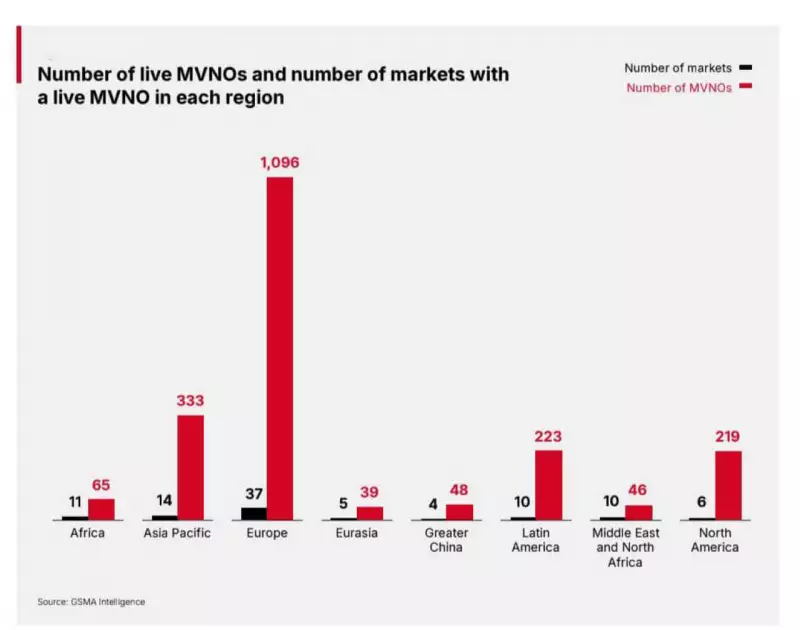
Globally, the MVNO model is well-established, with over 2,000 licensees operating in nearly 100 countries. In Africa, as of September 2025, there are 63 virtual network operators across 11 nations, with South Africa accounting for a dominant 61% of these players.
The Path Forward for Nigeria
The GSMA's analysis suggests that neither a purely regulatory-led approach nor a purely commercial one is a universal solution. For policymakers, designing effective frameworks requires careful consideration of market maturity, financial sustainability, and strategic objectives.
A vital question for Africa's telecom sector is whether MVNOs harm MNO revenues. The GSMA evidence indicates that MVNOs typically complement, rather than cannibalize, existing operators through strategic partnerships and are not direct competitors.
When supported by thoughtful regulation and well-designed market strategies, MVNOs can expand coverage, foster healthy competition, and introduce innovative services. The GSMA concludes that while they are not a magic bullet for Africa's connectivity issues, MVNOs are crucial for building inclusive, diverse, and sustainable digital ecosystems.