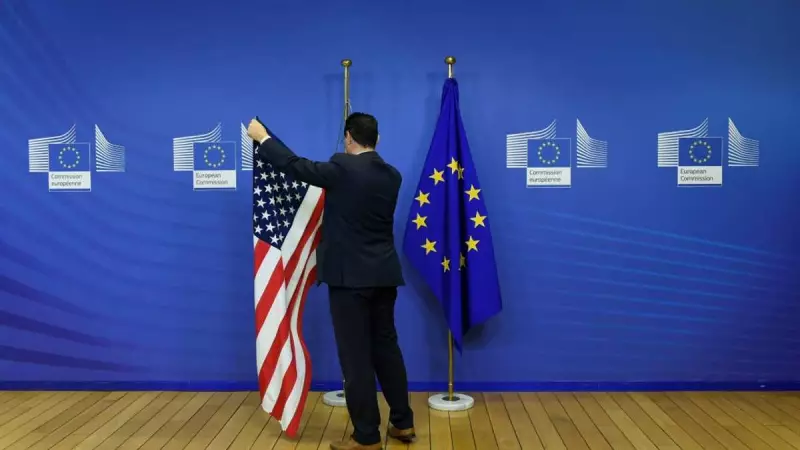
The European Union is set to commence high-level discussions with United States officials in Brussels, with a primary focus on urging Washington to lower its substantial tariffs on steel and aluminium. This meeting marks the first major dialogue since the two economic powers struck a provisional trade agreement in July.
Key Details of the Brussels Meeting
US Commerce Secretary Howard Lutnick and US Trade Representative Jamieson Greer are scheduled to meet with trade ministers from the 27 EU member states. The core agenda revolves around the full implementation of the July accord, which currently subjects most EU exports to a 15-percent US levy. However, Brussels is pushing for further concessions, specifically targeting the 50-percent duties the US imposes on steel and aluminium imports.
EU trade chief Maros Sefcovic confirmed the Union's position, stating, "We also recognise that more work lies ahead, especially on steel and derivatives, where we seek both to reduce tariff and to confront global overcapacity together." This reference to "derivatives" follows a US decision in August to add 407 product types to a list of steel and aluminium derivatives subject to higher tariffs.
Broader Implications and Sticking Points
While the EU seeks relief on metals, Washington is demanding that Brussels roll back certain green and digital regulations. Despite the high stakes, Sefcovic tempered expectations for an immediate breakthrough, clarifying that the meeting is primarily a "stocktaking exercise" rather than a formal negotiation round.
The dialogue also aims to forge a stronger "metals alliance" between the transatlantic partners. This strategic move is designed to protect their economies from the effects of Chinese industrial overcapacity. Denmark's Foreign Minister, Lars Lokke Rasmussen, highlighted the talks as a crucial opportunity to "stabilise trade relations between Europe and US" and address common challenges like the global trade system and China.
EU Member States Voice Their Priorities
Ministers from several EU countries have underscored the urgency of resolving the steel issue. Lithuanian Foreign Minister Kestutis Budrys emphasised the need for a "normal agreement on steel and aluminium" and swift implementation of the August understandings.
Echoing this sentiment, Poland's Michal Baranowski pointed out that "Getting steel tariffs to 15 percent is part of implementing our joint statement." Although the August text did not explicitly mention tariff reductions, the EU is actively pursuing steel import quotas in its ongoing discussions with US officials, signalling a continued push for a more favourable trade environment.