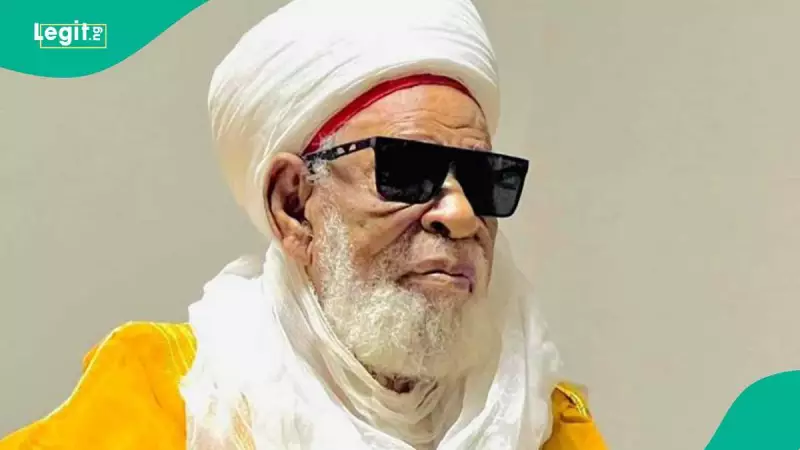
The Nigerian Muslim community has been struck by profound losses in 2025 with the passing of four distinguished Islamic scholars, including the revered Sheikh Dahiru Usman Bauchi, whose death has prompted nationwide mourning and tributes from the highest levels of government.
The Passing of a Spiritual Giant
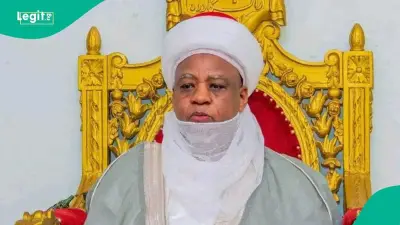
Sheikh Dahiru Usman Bauchi, the respected leader of the Tijjaniyya order in Nigeria, died on Wednesday, November 26, 2025, at the age of 98. The prominent cleric breathed his last at the Abubakar Tafawa Balewa University Teaching Hospital in Bauchi state, marking the end of an era for Islamic scholarship in Nigeria.
For decades, Sheikh Dahiru guided thousands of disciples and made significant contributions to spiritual development across the nation. His scholarly journey included studying under renowned teachers such as Sheikh Tijani Usman Zangon-Bare-bari, Shaykh Abubakar Atiku, and Sheikh Abdulqadir Zaria. Following in his father's footsteps as a Tijani 'muqaddam' (leader), he received and propagated the Tijjaniyyah Tariqah spiritual path.
At the time of his death, Sheikh Dahiru held the position of deputy chair of the fatwa committee of the Supreme Council of Islamic Affairs (NSCIA) in Nigeria, underscoring his influential role in Islamic jurisprudence.
National Mourning and Political Tributes
The news of Sheikh Dahiru's passing triggered an outpouring of grief from political leaders across Nigeria. President Bola Ahmed Tinubu expressed receiving the news "with profound sadness and a deep sense of loss," describing the late cleric as "a moral compass who dedicated his life to teaching and preaching."
Kaduna state governor Uba Sani conveyed his deep sorrow, noting that the Sheikh represented "an extraordinary spiritual guide whose life reflected the highest values of Islam: knowledge, humility, peace, and unity."
Former senate president Bukola Saraki joined the chorus of tributes, memorializing Sheikh Dahiru as "a colossus of Islamic scholarship and a spiritual father to millions" of Nigerian Muslims.
Three Other Notable Losses in 2025
The Islamic community had already experienced several significant losses earlier in the year before Sheikh Dahiru's passing:
Sheikh Idris Abdul'aziz Dutsen Tanshi, the chief imam of Dutsen Tanshi Jummaat Mosque in Bauchi, died in April following a prolonged illness. The respected preacher had recently returned from medical treatment in India. Beyond his religious duties, Sheikh Tanshi was known as an outspoken advocate for Islamic education and reform.
Sheikh Saeed Hassan Jingir, who served as deputy national chairman of the Ulama Council of Jama'atu Izalatil Bid'ah Wa'Ikamatis Sunnah (JIBWIS), passed away in March at age 70. According to JIBWIS publicity secretary Ahmad Ashiru, Sheikh Jingir died at his Anguwan Rimi residence in Jos after battling a prolonged illness, leaving behind multiple wives and children.
Sheikh Abdur Rasheed Hadiyyatullah Iwo, president of the Supreme Council for Shariah in Nigeria, also died in April at 81 years old. President Tinubu specifically noted the significant support he received from the Supreme Council for Shariah during the 2023 general elections, praising the organization's 'stance for truth and justice' under Sheikh Hadiyyatullah's leadership.
Political Legacy Continues
In a related development, Naziru Dahiru, son of the late Sheikh Dahiru Bauchi, has declared his intention to run for Governor of Bauchi state in the 2027 election. The younger Dahiru claimed his decision was divinely sanctioned, stating he received direct approval from Prophet Muhammad (SAW) after prayers for guidance.
Positioning himself as a candidate representing youth interests, Naziru expressed his aim to continue the socioeconomic projects initiated by Governor Bala Mohammed's administration, potentially extending his father's influence into the political arena.
The passing of these four esteemed Islamic scholars represents a significant transformation in Nigeria's religious landscape, creating voids in spiritual leadership that will challenge the next generation of Muslim scholars to fill.