Nigeria stands as one of Africa's most ethnically diverse nations, boasting an astonishing 371 distinct ethnic groups that create a rich cultural tapestry across the country. After extensive research combining census data, historical records, and cultural documentation, the full scope of Nigeria's tribal diversity reveals a fascinating story of coexistence and cultural preservation.
The Major Players: Nigeria's Big Three Ethnic Groups
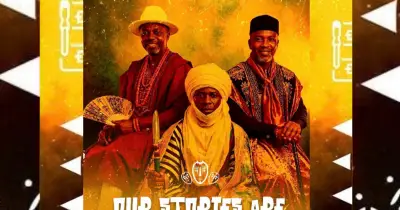
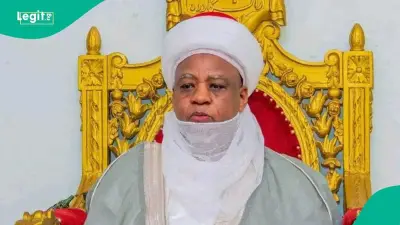
When discussing Nigerian tribes, three dominant groups immediately come to mind, collectively representing the majority of the population. The Hausa-Fulani constitute approximately 29% of Nigeria's population, predominantly located in Northern Nigeria. This group represents a historical merger between the original Hausa settlers and Fulani nomadic cattle herders from the Senegal region, united through centuries of intermarriage and shared Islamic faith.
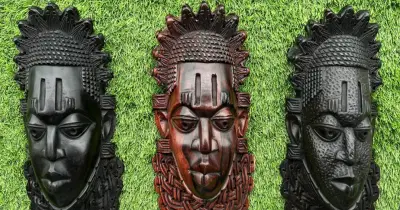
The Yoruba people make up about 21% of Nigeria's population, concentrated in South-Western states including Lagos, Africa's largest metropolis. Their cultural contributions span from ancient bronze artworks to contemporary Afrobeats music, maintaining complex political structures with various traditional rulers known as Obas.
Completing the trio, the Igbo represent approximately 18% of Nigerians, primarily Christian and concentrated in the South-East. Known for their entrepreneurial spirit and republican social structures, the Igbo have demonstrated remarkable resilience since the Nigerian Civil War (1967-1970), rebuilding their economy through extensive commercial networks.
Beyond the Big Three: Nigeria's Complete Ethnic Landscape
The true scale of Nigeria's diversity becomes apparent when looking beyond the major groups. With 371 officially recognized ethnic groups, Nigeria hosts one of the world's most complex ethnic landscapes within a territory roughly twice the size of California.
According to the National Population Commission, this extraordinary diversity includes numerous substantial ethnic groups beyond the big three. The Ijaw in the Niger Delta region number over 14 million people, while the Kanuri in the North-East, Tiv in the Middle Belt, and Ibibio in the South-South each have populations numbering in the millions.
What makes this diversity particularly remarkable is that collectively, the so-called minority ethnic groups constitute about 42% of Nigeria's population - hardly a minority when considered together.
Nigeria's Ethnic Groups by Population and Influence
Understanding Nigeria's ethnic composition requires examining both population numbers and cultural influence. While the Hausa-Fulani, Yoruba, and Igbo dominate numerically, several other groups wield significant economic and political influence.
The Ijaw control access to the Niger Delta's oil wealth, which provides over 90% of Nigeria's foreign exchange. The Kanuri bring historical gravitas from the ancient Kanem-Bornu Empire, while the Tiv serve as political kingmakers in the strategically important Middle Belt region.
Other influential groups include the Ibibio in Akwa Ibom State, the Edo with their legacy from the Benin Kingdom, the Urhobo-Isoko in Delta State, and the Nupe with their ancient kingdom traditions.
Classification and Understanding Nigerian Ethnic Diversity
Anthropologists classify Nigeria's ethnic groups through various lenses, each revealing different aspects of the country's complex identity landscape. Regional classifications divide tribes into Northern (Hausa, Fulani, Kanuri, Nupe), South-West (Yoruba, Edo, Urhobo), South-East (Igbo, Igala, Efik), and South-South (Ijaw, Ibibio, Ogoni) groups.
Linguistically, Nigeria's tribes fall into three major African language families: the Niger-Congo family (including Yoruba, Igbo, Ijaw), the Afroasiatic family (Hausa and related groups), and the Nilo-Saharan family (represented by Kanuri).
Cultural groupings reflect shared environmental adaptations, with Niger Delta peoples sharing fishing and trading traditions, while Savanna peoples of the North share cattle-rearing and agricultural practices.
Preserving Nigeria's Cultural Heritage
Despite predictions of cultural homogenization, most Nigerian tribes actively maintain traditional practices including festivals, marriage ceremonies, and traditional governance structures. However, UNESCO reports that 29 Nigerian ethnic groups have become extinct, with another 29 facing extinction threats.
The Nigerian Educational Research and Development Council has implemented language development programs and cultural initiatives to preserve this diversity. Meanwhile, younger Nigerians in urban centers create hybrid cultures that draw from multiple ethnic traditions while building bridges across communities.
Nigeria's ethnic diversity represents both its greatest asset and most significant challenge. The 371 distinct groups create extraordinary cultural richness in music, art, cuisine, and literature, while simultaneously complicating governance and occasionally sparking conflict over resources and representation.
The future of Nigeria's ethnic diversity depends on moving beyond mere tolerance to genuine appreciation of differences. Understanding that various worldviews and social structures can coexist without hierarchy represents the path toward national maturity for this remarkably diverse nation.