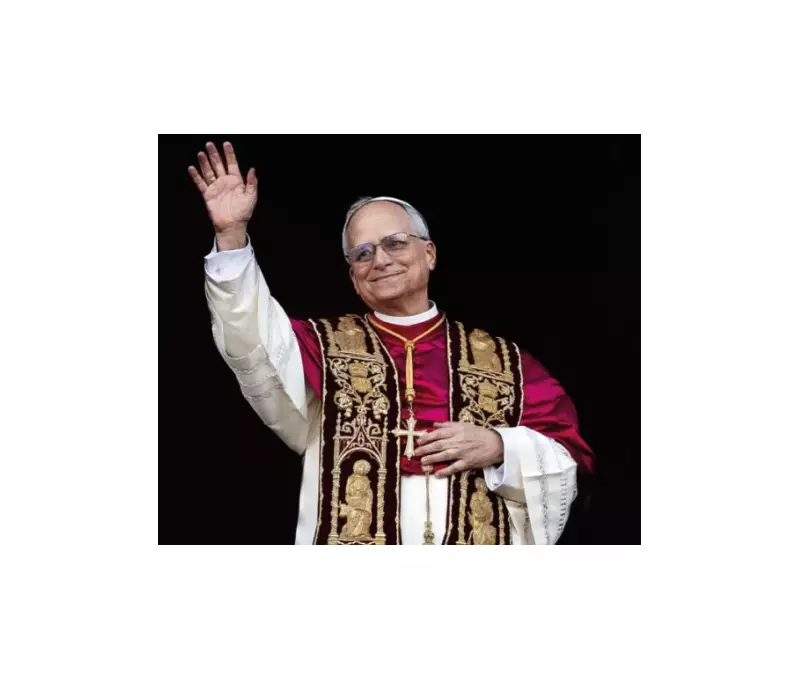
Pope Leo XIV has delivered a powerful message to young people worldwide, including Nigerian youths, cautioning them against the growing trend of using artificial intelligence to complete school assignments. During a special address that resonated across continents, the spiritual leader emphasized the importance of personal growth over technological shortcuts.
Vatican's Direct Message to Global Youth
The Pope's warning came during a livestream from the Vatican to the National Catholic Youth Conference in Indianapolis, where approximately 15,000 young people had gathered. The event, which occurred on November 26, 2025, served as a platform for the Pope to address what he described as one of the most significant challenges facing modern education.
In his direct address to teenagers and young adults, Pope Leo XIV identified artificial intelligence as "one of the defining features of our time" but stressed that its responsible use must enhance rather than hinder personal development. His clear instruction to students was unambiguous: "Don't ask it to do your homework for you."
Beyond Homework: A Broader Vision for Technology
The Pontiff's concerns extended beyond academic integrity to encompass the broader impact of technology on young people's spiritual and social development. He urged teens to be deliberate with their screen time and to harness technology in ways that nurture faith, build genuine community, and foster authentic friendships.
Drawing a crucial distinction between information processing and true understanding, Pope Leo XIV emphasized that while AI can process data with remarkable speed, it cannot replace genuine wisdom or the capacity for moral judgment. This distinction lies at the heart of the Vatican's growing concern about AI's role in shaping young minds.
The Vatican's Consistent Stance on AI Ethics
This recent address reflects the Vatican's broader apprehension about artificial intelligence's impact on youth development. The Pope had previously articulated similar concerns during a Vatican AI ethics conference, where he highlighted that access to data does not equate to accurate intelligence.
The consistent message from the Holy See emphasizes that young people must not allow artificial intelligence to stunt their personal growth or compromise their human dignity. For Nigerian students and educational institutions, this warning comes at a crucial time as technology becomes increasingly integrated into learning environments across the country.
The Pope's message serves as both a caution and guidance for Nigerian youths navigating the digital landscape, reminding them that while technology offers powerful tools, the development of character, wisdom, and moral judgment remains fundamentally human endeavors that cannot be outsourced to algorithms.