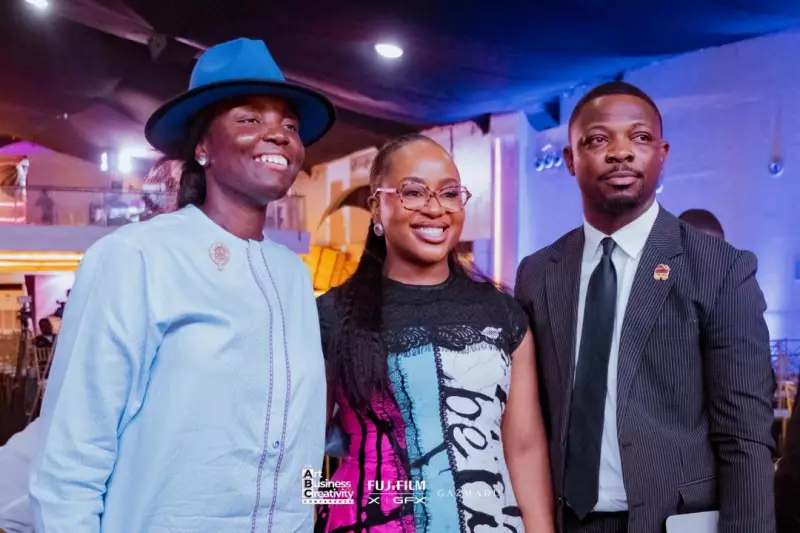
The recent Art Business and Creative (ABC) Conference 3.0 in Lagos has made a compelling case for upskilling African creatives as a strategic pathway to accelerate the continent's economic development. Organized by Gazmadu Education in partnership with Fujifilm, the four-day event successfully gathered more than 3,000 creative professionals from across Africa and the diaspora, including hundreds of virtual participants.
Bridging Skills Gap for Global Competitiveness
Held under the theme Beyond Borders: Connecting African Creativity to the Global Stage, the conference addressed critical skill gaps through a comprehensive program featuring networking sessions, masterclasses, policy engagements, and industry-led training. The event spanned from November 24 to November 27, beginning with welcome cocktails, followed by the main conference on November 25, and concluding with two days of intensive masterclasses designed to expose both emerging and established creatives to global industry standards.
Special Assistant to President Bola Tinubu on Art, Culture, Tourism and the Creative Economy, Ayo Adeagbo, emphasized the administration's commitment to sector growth during his address. "Our major goal is to provide an enabling environment. Nigeria is blessed with superb creatives, but the major constraint remains finance and trade," he stated, highlighting the Federal Executive Council's approval of the Creative Government Fund to provide grants and loans to creative professionals.
Transforming Creativity into Sustainable Business
Conference convener and CEO of Gazmadu Ltd., Yagazi Eguare, explained that the event was created specifically to address the knowledge and skills gap limiting African creators' economic potential. "The ABC Conference was created to empower and equip creatives to level their skillsets and build successful businesses. Creativity is no longer just passion. It is a business," she emphasized.
Eguare noted the rapid expansion of the creative economy, particularly with advancements in AI and digital storytelling, but warned that without intentional upskilling, creators risk being left behind. The conference prioritized skills transfer across generations and disciplines, covering areas from photography and filmmaking to brand storytelling and business leadership.
Success Stories and Practical Solutions
Keynote speaker Tolani Ali, a documentary photographer with extensive experience working with governors, the African Development Bank and the World Bank, shared her inspiring journey from documenting the late Oyo State Governor Abiola Ajimobi to working with international organizations. Her story demonstrated how authenticity and excellence can create global opportunities even from modest beginnings.
Photographer and creative entrepreneur Emmanuel Oyeleke stressed the need for creators to move beyond subsistence approaches and adopt scalable business models. Meanwhile, CEO of Big Age Studios, Henri Ojimadu, identified affordability as a significant barrier to entry, urging government to expand grants and resources that can help young creatives acquire necessary tools and launch viable enterprises.
Richard Lackey, representing Fujifilm, positioned the company's involvement as a long-term investment in human capital, emphasizing their commitment to building community and empowering people to grow both their art and business.
Looking toward the future, Eguare highlighted the conference's long-term impact: "When you build people, you build society. One idea from this conference can create jobs, shape narratives, and influence national reputation. The impact is not just today—it's five, ten, fifteen years from now."