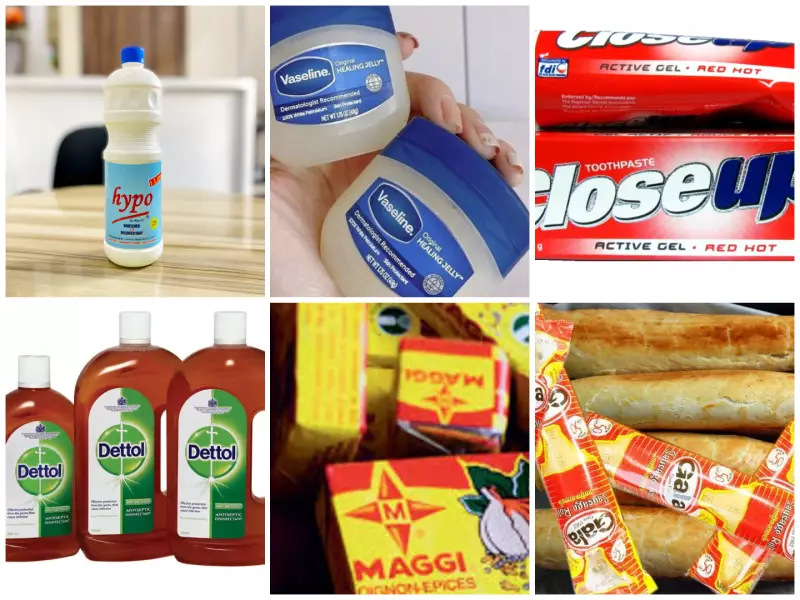
In the bustling markets and homes across Nigeria, a curious linguistic phenomenon occurs daily. Certain brand names have become so deeply woven into the fabric of everyday language that they replace the actual names of the products themselves. This fascinating occurrence, known as genericide in the business world, highlights the immense power of pioneering brands and effective marketing strategies in Africa's largest economy.
The Power of Market Dominance in Nigeria
Nigeria presents a fiercely competitive consumer landscape where thousands of products compete for attention. Yet only a select few manage to achieve such cultural penetration that their brand names become household synonyms for entire product categories. Business experts attribute this remarkable achievement to what they call the first-mover advantage – either being the first to introduce a product to the Nigerian market or becoming so overwhelmingly popular that consumers can no longer recall the generic term for the item.
Interestingly, not all these brands were the original pioneers in their sectors. Some achieved their dominant position purely through strategic branding, widespread distribution networks, and cultivating unwavering consumer loyalty over decades.
10 Brands That Became Household Names
Here are ten remarkable examples of brands that have transcended their corporate identities to become the default names for everyday products in Nigerian households.
1. Indomie for Noodles
The generic term for this product is noodles, but for millions of Nigerians, the word Indomie covers the entire category. Introduced to Nigeria in 1988 through exports and locally manufactured since 1995 by the Indonesian company Indofood in partnership with Nigeria's Tolaram Group, Indomie now commands an impressive 74% of Nigeria's noodles market. Despite numerous competitors, the brand has become so iconic that noodles are almost universally called Indomie across the country.
2. Jeep for SUVs
Originally produced by the American Bantam Car Company in 1940, Jeep set the standard for rugged vehicles with models like the Jeep Cherokee. In Nigeria, the term jeep has transcended the brand entirely. Today, any sports utility vehicle, whether a Toyota, Honda, or Ford, frequently gets referred to as a jeep by Nigerians, demonstrating the brand's enduring identity since 1974.
3. Close Up for Toothpaste
Launched in 1967 by Unilever, Close Up toothpaste has become synonymous with oral care products in Nigeria. Despite numerous competitors like Macleans, Dabur, and Oral-B, Nigerians frequently refer to all toothpaste as Close Up, highlighting the brand's remarkable over 50-year dominance in the Nigerian oral care market.
4. Vaseline for Petroleum Jelly
This American petroleum jelly brand, originally made by Chesebrough Manufacturing Company and later acquired by Unilever in 1987, dominates Nigeria's skincare market. While alternatives exist, such as Baby and Toddler, Fred & Flo, or Dettol jelly, most Nigerians simply call petroleum jelly Vaseline, demonstrating the brand's powerful market position.
5. OMO for Detergent
OMO is a detergent brand with nearly a century-long history that entered Nigeria in 1962. It has since become the default reference for laundry soap among Nigerian consumers. Previously produced by Unilever, OMO's dominance continues to overshadow competitors, reinforcing its position as the household name for detergent.
6. Pampers for Diapers
Pampers is the brand synonymous with baby diapers globally, but its identification in Nigeria is particularly strong. Introduced to Nigeria in 2000 by Procter & Gamble, it quickly became the leading product in the baby care market. Even with alternatives like Molfix and Huggies available, most Nigerians still refer to diapers as Pampers when shopping or conversing.
7. Maggi for Seasoning Cubes
Maggi seasoning cubes, introduced to Nigeria in 1918 by Swiss entrepreneur Julius Maggi, have become an indispensable staple in Nigerian kitchens. While other brands like Knorr, Royco, Terra, and MrChef are readily available, many Nigerians continue to call all seasoning cubes Maggi, a testament to the brand's remarkable over 100-year influence on Nigerian culinary culture.
8. Gala for Sausage Rolls
Gala, produced by UAC Foods, was Nigeria's first widely sold sausage roll. Since its introduction, the name Gala has become shorthand for all sausage rolls nationwide. Street vendors often distinguish the original product by simply calling it Original Gala, while using the brand name generically for similar products.
9. Dettol for Disinfectant
This antiseptic, marketed in Nigeria by Reckitt Benckiser for over 50 years, has become the default term for disinfectants throughout the country. Nigerians often refer to any antiseptic solution as Dettol, regardless of the actual brand, showcasing the product's deep penetration into Nigerian healthcare and hygiene practices.
10. Hypo for Bleach
A chlorinated bleach produced by Multipro Enterprise Limited, Hypo has become the go-to reference for household bleaching liquids in contemporary Nigeria. Before Hypo's rise to prominence, JIK dominated the market, but today, Hypo has become the generic name for bleach, illustrating how quickly a brand can take over a product segment in Nigeria's dynamic consumer market.
The Business Implications of Genericide
The overwhelming dominance of these brands in Nigeria highlights the powerful combination of early market entry, strong branding strategies, and widespread distribution networks. While it can be flattering for companies to see their brand names become part of everyday vocabulary, this phenomenon also presents significant business risks, primarily the potential loss of trademark distinctiveness over time.
For Nigerian consumers, this linguistic transformation demonstrates how culture and familiarity can reshape language, turning specific brand names into universal vocabulary that transcends generations and socioeconomic backgrounds.