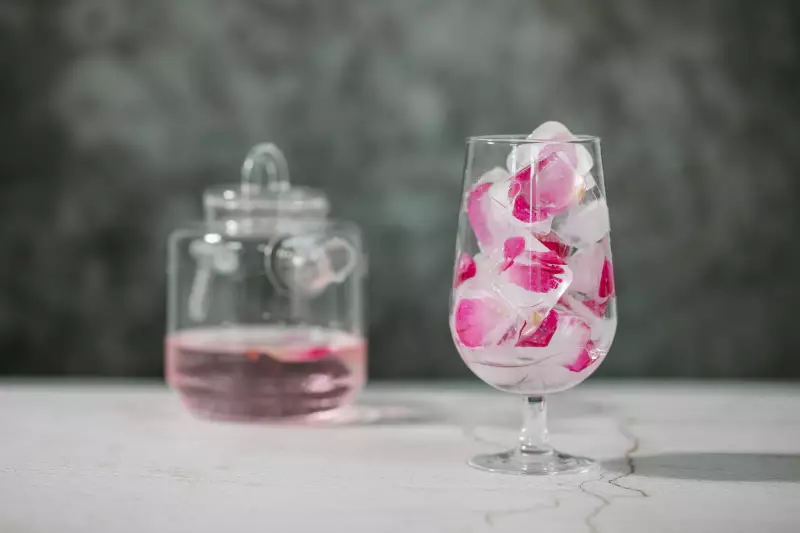
Rose water has moved beyond being just a fleeting beauty trend. For those who have used it, the refreshing and soothing sensation is unmistakable. If you are new to it, imagine a natural product that hydrates your skin, adds a soft floral scent to your hair, and brings a sense of calm to your space. The best part is that you can create this versatile essence yourself, avoiding expensive store-bought bottles with hidden chemicals. All it requires are fresh roses and a little patience.
What Exactly is Rose Water?
Rose water is a fragrant liquid made by steeping or distilling rose petals in water. It carries the natural essence and benefits of the rose flower. With a rich history in skincare, culinary arts, and even cultural rituals, its value is timeless. Traditionally, it was a by-product of distilling rose petals for precious rose oil used in perfumes. Today, its uses have expanded, making it a staple for calming skin irritations and flavouring various dishes.
The Multitude of Rose Water Benefits
The advantages of using rose water are extensive, touching on both physical and mental wellness.
For your skin, it acts as a powerhouse. Packed with antioxidants, it helps protect skin cells from damage and soothes irritation. It is effective at reducing redness, puffiness, and visible signs of ageing. Its mild antibacterial properties can also assist in managing acne and eczema, making it a gentle, natural toner that balances the skin's pH.
For respiratory health, the soothing properties of rose water can calm a sore throat and help relax throat muscles.
Eye care is another area where it shines. When applied carefully with cotton pads, it can relieve dryness and irritation, including conditions like conjunctivitis.
Its antiseptic qualities support the faster healing of minor cuts, burns, and scars while working to prevent infections.
Perhaps one of its most cherished benefits is for brain and mood. Inhaling rose water vapours or using it in aromatherapy is linked to stress relief, reduced anxiety, and improved sleep quality. Some studies even suggest it may support cognitive function.
It also offers relief from tension headaches when applied to the forehead or its scent is inhaled. Furthermore, drinking rose water can aid digestion, relieve bloating, and act as a mild laxative.
Why Homemade Rose Water is Superior
Creating your own rose water at home is a rewarding experience. The moment you crush the fresh petals and see the water transform, the difference becomes clear. The aroma is brighter, and the feeling is purer because you control the ingredients. While store-bought versions offer convenience, they often contain preservatives or are made from diluted extracts. Your homemade version captures the full, natural essence of the roses—pure, fresh, and completely customisable to your preference.
Choosing the Right Roses for Your Recipe
Selecting the correct type of rose is crucial for safety and quality. The best varieties to use are Rosa damascena, Rosa centifolia, and Rosa gallica. These are edible roses, making them safe for both cosmetic and culinary applications. It is absolutely essential to use roses that have been grown without pesticides, as the purity of your rose water depends entirely on the quality of the petals you start with.
A Step-by-Step Guide to Making Rose Water
Before you begin, remember that using fresh or dried, pesticide-free roses is non-negotiable. Avoid the white base of the petals as it can impart a bitter taste, and always ensure your petals are rinsed and dried thoroughly.
Ingredients You Will Need:
- 4–5 fresh rose blossoms
- Water
- Ice cubes
- A medium cooking pot
- A small heatproof glass bowl
The Distillation Method (For a Fresh, Potent Result)
This traditional method yields a very fresh and concentrated rose water. Place your clean rose petals in the pot, leaving space in the centre for the small glass bowl. Add enough water to just cover the petals. Put the lid on the pot upside down and place ice cubes on top. The ice helps condense the evaporating rose vapour. Simmer the mixture gently for about 30 minutes, replenishing the ice as it melts. Once done, carefully remove the glass bowl from the centre—it will now contain your freshly made rose water.
The Simmering Method (A Quicker Alternative)
This is a simpler, faster technique. Add your petals to a pot and cover them with just enough distilled water. Let it simmer on low heat for 30 to 45 minutes, or until the petals lose their colour. Allow the mixture to cool completely before straining the liquid into a clean bottle or spray jar. Refrigerate it immediately.
Storing Your Homemade Rose Water and Its Shelf Life
To preserve your creation, always pour it into a clean glass container. Store it in a cool, dry place or, ideally, in the refrigerator. Refrigeration can extend its life up to one month. If you wish to store it for longer, you can add a small amount of alcohol or citric acid to prevent microbial growth. At room temperature, homemade rose water will stay fresh for about a week. Always trust your senses; if the scent changes or the colour looks off, it is time to discard it and make a new batch.
Avoiding Common Mistakes
While the process is straightforward, a few errors can compromise your rose water. Using tap water or roses treated with pesticides will affect the final product's smell and taste. Failing to sterilise your storage bottles or overheating the petals during simmering can also diminish the quality. Paying close attention to these details ensures that every batch you make is as vibrant and effective as the last.