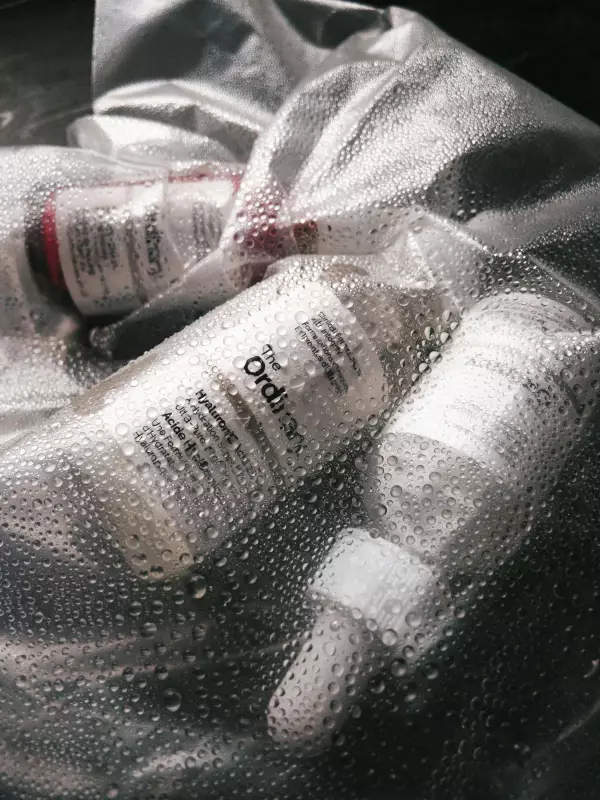
If you're passionate about skincare, you're likely familiar with glycolic acid—the powerhouse alpha-hydroxy acid that delivers smooth, radiant skin. But this versatile ingredient has another remarkable application that's gaining popularity: scalp care. Your scalp is essentially an extension of the facial skin and requires similar attention to maintain optimal health.
Why Glycolic Acid Works Wonders for Scalp Health
Derived from sugar cane, glycolic acid stands out among alpha-hydroxy acids due to its small molecular size, which allows deep penetration into the skin's surface. This chemical exfoliant works by dissolving the bonds between dead skin cells, effectively lifting away flakes, product residue, excess oil, and hardened sebum that can accumulate on the scalp.
Regular use of glycolic acid on the scalp provides multiple benefits, including thorough exfoliation that's gentler than physical scrubs, unclogging of hair follicles that can impede hair growth, reduction of visible flakes and scaling, improved moisture balance through its humectant properties, and enhanced absorption of other scalp treatments and serums.
Step-by-Step Application Guide for Nigerian Hair Types
To safely incorporate glycolic acid into your scalp care routine, begin by selecting an appropriate product formulation. Experts recommend starting with concentrations between 5-7% for beginners, avoiding products exceeding 10% unless specifically designed for scalp use. Ideal formulas should be alcohol-free and fragrance-free to minimize potential irritation.
Application should focus directly on the scalp rather than hair shafts to prevent drying. You can use a nozzle bottle, dropper, or cotton pad for precise targeting of problem areas. After application, allow the product to sit for 5-10 minutes before thoroughly rinsing with a mild shampoo. Following treatment, rehydrate the scalp with lightweight, non-comedogenic options like aloe vera, hyaluronic acid serums, or light oils such as jojoba.
Safety Considerations and Usage Frequency
When introducing glycolic acid to your scalp care regimen, conduct a patch test behind your ear or on a small scalp area and wait 24 hours to check for sensitivity before full application. Avoid use if you have open wounds, active scalp conditions, or recently undergone chemical treatments like relaxers or hair dye—wait at least 7-10 days after such processes.
Frequency of use should align with your scalp type: oily scalps or heavy product users can benefit from weekly applications, while those with sensitive or dry scalps should limit use to once every 10-14 days. For individuals wearing protective styles, glycolic acid proves particularly useful when applied before installation and after takedown to reset the scalp and prevent buildup.
Crucially, avoid combining glycolic acid with other exfoliants like salicylic acid, retinoids, or physical scrubs in the same routine to prevent over-exfoliation and damage to the skin barrier. With consistent, careful application, glycolic acid can maintain a clean, balanced scalp environment that supports healthier, stronger hair growth—making it a valuable addition to your hair care arsenal.