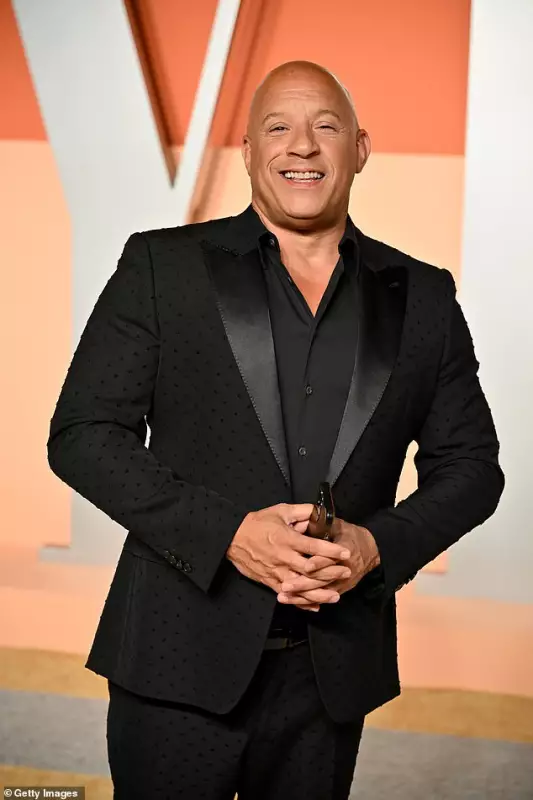
In a significant legal development, a Los Angeles court has dismissed the s£xual battery lawsuit filed against renowned American actor Vin Diesel by his former assistant. The case, which stemmed from an alleged incident during the production of Fast 5 in 2010, was thrown out based on a jurisdictional technicality.
The Court's Ruling and Jurisdictional Hurdle
Los Angeles County Superior Court Judge Daniel M. Crowley issued a 13-page summary judgment, bringing a temporary end to the legal battle that had been ongoing for two years. The core of the judge's decision did not address the truthfulness of the allegations but rather where the case could be legally heard.
Judge Crowley stated that since the alleged assault took place at the St. Regis hotel in Atlanta, Georgia in 2010, the case could not proceed under California law. The ruling emphasized that California statutes are not applicable outside the state unless explicitly stated by the legislature. This legal technicality formed the basis for dismissing the claims against the 58-year-old Fast and the Furious star.
Contrasting Narratives from Both Sides
The plaintiff, Asta Jonasson, was hired by Diesel's production company, One Race Films, to work as his assistant during the filming in Georgia. In her 2023 filing, she alleged that after a night of entertaining women in his hotel suite, Diesel forcibly grabbed her, groped her, and engaged in a s£xual act without her consent. She claimed she was fired hours later by the actor's sister, Samantha Vincent, the president of One Race.
In stark contrast, Diesel's attorney, Bryan Freedman, vehemently denied the claims from the outset. He stated that this was the first time Diesel had heard of the allegation, which came more than 13 years after the fact from a woman who was purportedly employed for only nine days. Freedman asserted that clear evidence existed to refute the outlandish allegations and expressed gratitude that the court ended what he called a meritless lawsuit.
What Comes Next?
Matthew Hale, the attorney representing Jonasson, indicated that they respectfully disagree with the court's decision and plan to file an appeal. Hale argued that the case should be heard in California because the Georgia production was temporary, and both parties were California residents at the time, with Jonasson being hired by a California-based company.
This ruling, delivered on Wednesday, November 20, 2024, concludes the current chapter, but the legal dispute may continue depending on the outcome of the planned appeal. The case highlights the complex interplay between jurisdiction and the pursuit of justice in cross-state legal matters.