As Nigeria commemorated World Children's Day, urgent calls echoed from United Nations Children's Fund (UNICEF) representatives, government officials, and media leaders for stronger protection mechanisms for Nigerian children. The consensus emerged that Nigeria cannot achieve meaningful development without prioritizing children's rights, safety, and access to education.
Critical Gaps in Child Protection
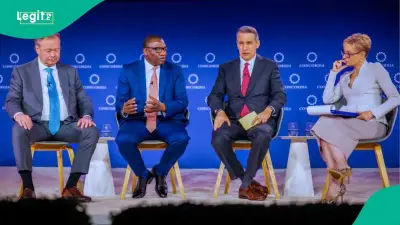
During a panel session held on Tuesday in Lagos, stakeholders highlighted significant gaps in child protection systems, schooling accessibility, and service delivery across Nigeria. The discussion emphasized the need for broader educational access and deeper community engagement to secure children's rights and wellbeing nationwide.
UNICEF Deputy Country Representative Ronak Nkan explained that this year's theme, "My Day, My Rights," reinforces the agency's conviction that child participation constitutes a fundamental right that must be reflected in national decision-making processes. "UNICEF continues to engage children and young people across platforms such as education and immunization to ensure their views guide policy and program design," Nkan stated.
She stressed the imperative of protecting children from school violence, noting that Nigeria's ratification of the Safe School Declaration places responsibility on both government and partners to ensure full implementation. Nkan also highlighted stark disparities in children's access to basic services between states, referencing recent Demographic and Health Survey data that shows while approximately 90% of Lagos households have access to safe water, the figure plunges to just 3% in Kebbi State.
Government Initiatives and Scaling Efforts
The Federal Ministry of Women Affairs, represented by Mrs. Mariam Fitumi Shaibu, revealed that government interventions now focus on practical measures rather than repeated discussions about the 2003 Child Rights Act. Key initiatives include the establishment of the National Commission for Out-of-School Children and the development of a new national committee tasked with creating an integrated policy framework for all interventions targeting out-of-school children and vulnerable groups.
Shaibu detailed that the government is scaling up major programs including:
- The Adolescent Girls Initiative for Learning and Empowerment (AGILE), now covering 18 states
- The Lumina Project, which empowers mothers and supports girls at risk of child marriage
- The re-entry policy that enables girls who left school due to marriage or pregnancy to resume their education
Collectively, these interventions aim to reach millions of children by 2030. Additionally, the ministry has finalized a national policy on menstrual health and hygiene after identifying that lack of water, toilets, and dignity facilities significantly contributes to girls' absenteeism from school.
Media's Role in Amplifying Children's Voices
Senior editors from the Nigerian Guild of Editors (NGE) reiterated the media's responsibility to amplify children's voices and scrutinize government policies affecting them. NGE President and Vanguard Editor Eze Anaba urged the government to demonstrate greater concern for children's welfare and called on parents to maintain involvement despite economic challenges.
Anaba declared that Nigeria remains in a "state of emergency" due to the alarming number of out-of-school children, insisting that no country can develop when its children are not in school. He pressed state governments that haven't passed or implemented the Child Rights Act to do so urgently.
UNICEF's Nkan emphasized that evidence of disparities guides the agency's investments, prioritizing areas with greatest needs. The organization supports government through technical assistance, service delivery demonstrations, and joint monitoring, with the long-term goal of ensuring government fully takes over interventions.
Regarding girls' education, Nkan noted that UNICEF supports federal efforts on policies enabling girls who drop out due to early marriage or pregnancy to return to school, stressing the necessity of equal opportunities for every Nigerian child regardless of geographical location.