Flooding Isolates Communities, Cripples Healthcare
A public health initiative, Project HER, has raised a major alarm over the devastating impact of recurring floods on maternal healthcare services in several riverine communities across Lagos State. The group, a collaborative effort under the Africa Health Communication Fellowship, conducted a detailed three-month assessment in flood-prone areas like Agboyi and Amukoko.
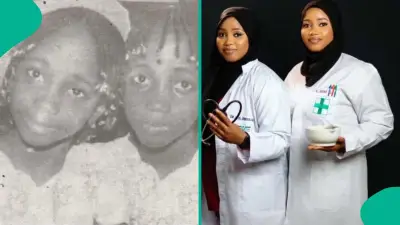
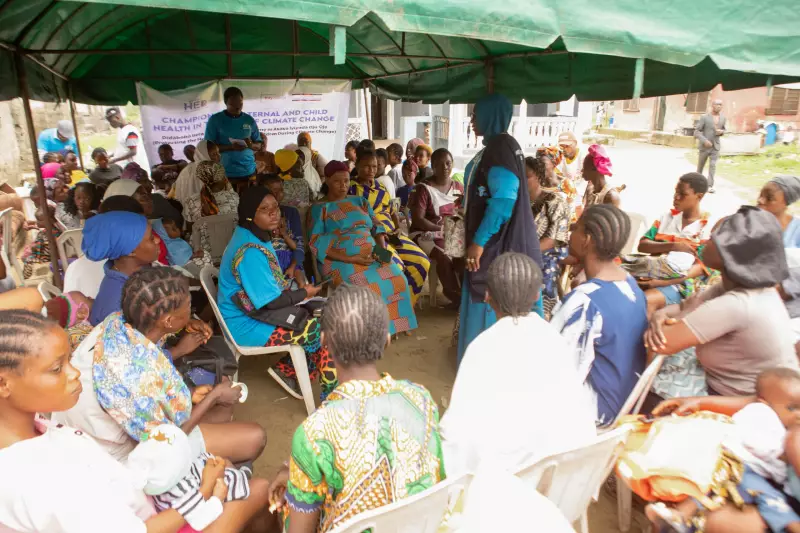
Led by public health specialist Dr. Mariam Oshodi and health journalist Mariam Ileyemi, the project team documented how seasonal flooding cuts off access to health facilities, contaminates water sources, and leads to a spike in preventable diseases. Their work involved community engagements, focus group discussions, and a health outreach that reached more than 120 women.
Communities Under Water: Agboyi and Amukoko's Plight
In Agboyi, a riverine settlement, residents described being isolated for days or even weeks when waters rise from heavy rainfall and releases from the Oyan River dam. During severe flooding, many families are forced to abandon their homes and seek refuge in churches, mosques, and schools.
A particularly shocking finding was the state of a newly built 40-bed primary healthcare centre in Agboyi. Constructed under the Office of the Senior Special Assistant to the President on Sustainable Development Goals, the facility remains completely non-functional. The project team reported that the ground floor of the health centre becomes submerged during floods, making it impossible to provide any essential medical services.
In Amukoko, the situation is worsened by poor sanitation and a major canal that has not been dredged for over four years. This failure causes floodwater, mixed with raw waste and refuse, to invade people's homes and shops, creating a severe public health hazard.
A National Crisis with a Woman's Face
The scale of this problem is massive. A 2024 joint assessment by the International Organisation for Migration (IOM) and the National Emergency Management Agency (NEMA) recorded that 7,672 pregnant and breastfeeding women were affected by flooding in Lagos. This figure includes 4,140 pregnant women. Kosofe Local Government Area, which includes Agboyi, was listed among the most severely impacted regions.
This local crisis reflects a grim national reality. The UNICEF Climate Risk Index ranks Nigeria as the second most vulnerable country in the world to climate-related risks for children.
Project HER concludes that flooding has evolved beyond an environmental nuisance into a significant gender-specific health emergency. "What we are seeing is not just an environmental issue," the group stated. "Flooding is directly endangering pregnant women and children. Maternal care cannot function if communities are cut off for days. Government agencies must prioritise accessible, flood-resilient health services in these locations."
Community members have proposed specific solutions. Those in Agboyi are calling for clean drinking water, the structural elevation of the new health centre, and better evacuation support. Residents of Amukoko are appealing for urgent canal dredging, sanitation enforcement, a reliable water supply, and stronger primary healthcare services. The group is urging both federal and state authorities to implement sustainable interventions to protect maternal and child health in these vulnerable Lagos communities.