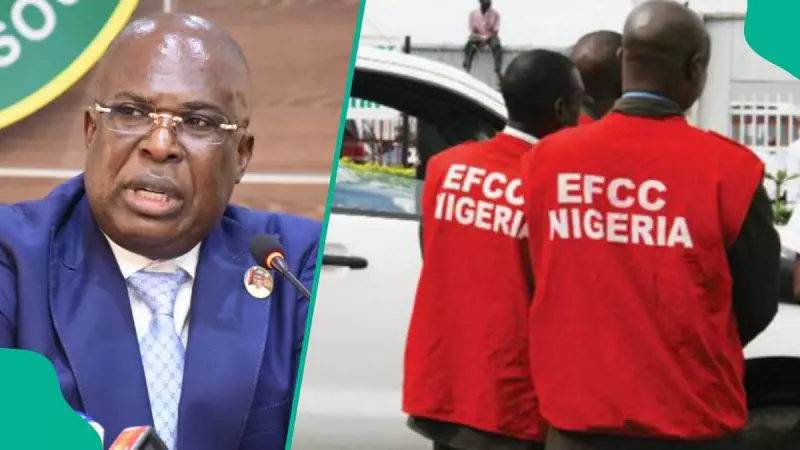
The Economic and Financial Crimes Commission has officially declared former Bayelsa State governor and ex-Minister of State for Petroleum Resources, Timipre Sylva, as a wanted person. This dramatic development follows allegations of massive financial misconduct involving millions of dollars.
Court-Backed Warrant Issued for Former Minister
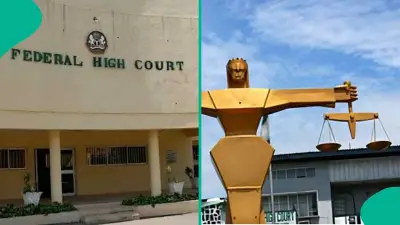
The anti-graft agency announced this significant move through its verified X account on Monday, November 10, 2025. According to the statement released by Dele Oyewale, the EFCC's Head of Media and Publicity, the declaration is supported by a legitimate warrant from the Lagos State High Court dated November 6, 2025.
The specific allegations involve conspiracy and dishonest conversion of $14,859,257. Investigators claim these funds were part of money injected by the Nigerian Content Development and Monitoring Board into Atlantic International Refinery and Petrochemical Limited. This investment was intended for the construction of a refinery project that has now become the center of a major financial scandal.
Nationwide Manhunt Intensifies
The EFCC has launched a comprehensive search for the 61-year-old politician from Brass Local Government Area of Bayelsa State. The commission has publicly appealed to Nigerians for assistance in locating the former governor, providing multiple channels for information sharing.
Citizens with useful intelligence about Sylva's whereabouts have been directed to contact any EFCC office across the country. The agency listed specific offices in Ibadan, Uyo, Sokoto, Maiduguri, Benin, Makurdi, Kaduna, Ilorin, Enugu, Kano, Lagos, Gombe, Port Harcourt, and Abuja.
Additionally, the EFCC provided alternative contact methods including a dedicated hotline at 08093322644 and an email address at info@efcc.gov.ng. The wanted notice included Sylva's photograph to aid public recognition and assistance.
Mixed Reactions Flood Social Media
The announcement triggered immediate and diverse reactions across Nigerian social media platforms. While some citizens expressed support for the EFCC's actions, others questioned the agency's methods and consistency in handling high-profile cases.
One social media user, @krativity, voiced skepticism about the approach, stating: "You are begging members of the public to help you arrest a big man with verifiable addresses". The user suggested the anti-corruption agency should take more direct action rather than relying on public tips for such prominent figures.
Other reactions highlighted the practical concerns of public participation in the manhunt. User @taaoofeek questioned: "So what should the public do? And you didn't state how much you are going to pay if we find him". Similarly, @stanleyontop_news directly asked about potential rewards: "Una no put bounty? If I catch am how much una go pay me?"
The mixed responses reflect the ongoing public debate about the effectiveness of Nigeria's anti-corruption efforts and the handling of cases involving prominent political figures.
This development marks another chapter in Nigeria's continuous battle against corruption, particularly involving former government officials and substantial public funds. The case continues to unfold as authorities intensify their search for the former petroleum minister.