
Turkish Television Dramas Reshape Bangladesh's Cultural and Political Landscape
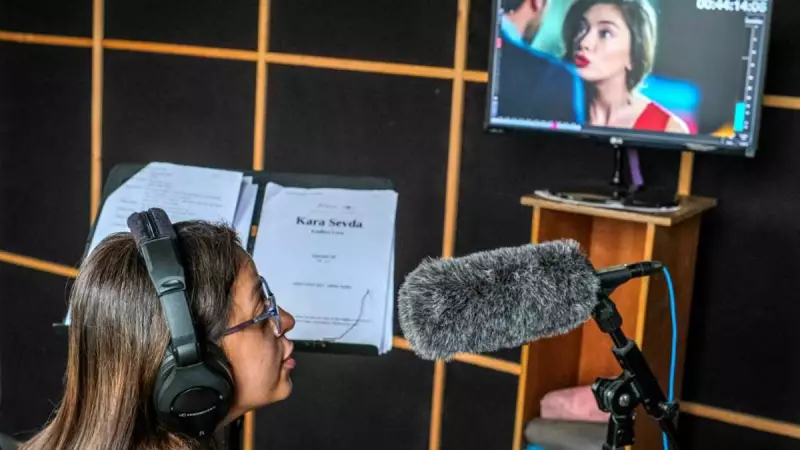
In a Dhaka recording studio, voiceover artist Rubaiya Matin Gity brings Turkish characters to life for millions of Bangladeshi viewers, dubbing the latest episodes of the megahit drama Kara Sevda (Endless Love). This cultural phenomenon represents more than just entertainment—it signals a significant shift in Bangladesh's international alliances and diplomatic priorities.
The 32-year-old actor's passionate delivery in Bangla captures the emotional intensity that has made Turkish soap operas increasingly popular across Bangladesh, challenging the long-standing dominance of Indian television dramas in the South Asian nation.
Beyond Entertainment: A Diplomatic Realignment
The success of Turkish television content reflects broader changes occurring between the two Muslim-majority nations separated by 5,000 kilometers. Growing diplomatic, trade, and defense relations between Ankara and Dhaka are developing alongside this cultural exchange, occurring against the backdrop of increasingly strained relations between Bangladesh and neighboring India.
According to Md Anwarul Azim, professor of international relations at the University of Dhaka, relations between Turkey and Bangladesh "are growing stronger now" despite historical challenges. The relationship experienced difficulties during Bangladesh's separation from Pakistan in 1971 and again in 2013 when Dhaka executed individuals accused of war crimes during the independence struggle.
The political context has evolved significantly since an uprising last year toppled the autocratic rule of Sheikh Hasina, who fled to India and has resisted extradition, creating icy relations between Dhaka and New Delhi.
Strategic Partnerships and Economic Opportunities
While bilateral trade remains modest, Turkey offers Bangladesh an important alternative to its reliance on China as its primary weapons supplier. Defense cooperation has accelerated with Ankara's defense industry chief Haluk Gorgun visiting Dhaka in July, and Bangladesh's army chief General Waker-Uz-Zaman scheduled to visit Turkey later this month to discuss military equipment production.
Bangladesh has demonstrated particular interest in Turkish drone technology, which Ankara has reportedly supplied to Pakistan—India's long-standing regional rival.
Nobel Peace Prize winner Muhammad Yunus, Dhaka's interim leader, emphasized his commitment to "further deepening" ties with Ankara after meeting with a Turkish parliamentary delegation this month. Yunus stated that Bangladesh stands ready to work hand in hand with Turkey to unlock new opportunities for both nations.
Cultural Integration Beyond Television
The cultural connections extend far beyond television screens. More Turkish restaurants are opening across Bangladesh, and interest in learning the Turkish language has surged significantly. Sheikh Abdul Kader, a trainer and economics lecturer at Jagannath University, reported having "20 students in a single batch" due to growing demand for Turkish language instruction.
Ezaz Uddin Ahmed, the 47-year-old head of programming at Deepto TV—the channel that pioneered Turkish dramas in Bangladesh—explained that the station maintains "a dedicated team of translators, scriptwriters, voice artists, and editors" to meet the escalating demand for Turkish content.
The breakthrough for Turkish television in Bangladesh came in 2017 with a historical epic that surpassed the popularity of Indian serials and established a new standard for foreign programming success. This triumph prompted Deepto TV and other Bangladeshi broadcasters to acquire additional Turkish imports, ranging from Ottoman sagas to contemporary family dramas.
Turkish Influence in Daily Life
The cultural impact has extended into various aspects of Bangladeshi society. Business owner Tahiya Islam, 33, has launched a Turkish-themed clothing line and, inspired by Ottoman traditions, even took up horseback riding. "During the Ottoman era, couples used to go out on horseback," she explained. "Now, my husband rides too—and I even have my own horse."
This comprehensive cultural integration, combined with strengthening diplomatic and defense ties, illustrates how popular media can influence international relations and create new geopolitical alignments. As Turkish television dramas continue to captivate Bangladeshi audiences, the relationship between the two nations appears poised for continued growth and mutual benefit.




