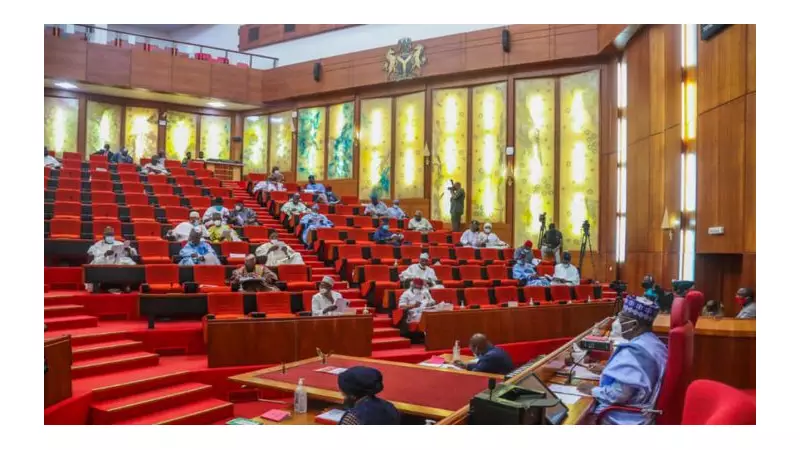
The Nigerian Senate made a significant decision on Tuesday by suspending two major legislative actions that were scheduled for deliberation during plenary. The move reflects a cautious approach to governance as both internal concerns and external requests influenced the chamber's proceedings.
Standing Orders Amendment Faces Last-Minute Halt
The Senate initially moved forward with considering comprehensive amendments to its Standing Orders 2023, following a motion sponsored by Senate Leader Michael Opeyemi Bamidele representing Ekiti Central. The proposed changes aimed to modernize the legislative framework by aligning it with current national realities.
The extensive review sought to incorporate new committees related to recently established geopolitical development commissions, livestock development, and reparations and repatriations. Additional updates included clarifying committee jurisdictions, harmonizing with House of Representatives committees, and refining rules for senators-elect participation in presiding officers' elections.
The chamber had warned that failing to update these rules could potentially weaken oversight functions and diminish institutional capacity. Senators resolved to sit as a committee of the whole to consider the amendments and directed the clerk to prepare new drafts for review.
Minority Leader's Intervention Changes Course
Proceedings took an unexpected turn when Senate Minority Leader Abba Moro from Benue South raised a point of order under Order 109. He urged the chamber to exercise caution and seek further clarification before proceeding with the amendments.
Senate President Godswill Akpabio upheld the objection, effectively suspending debate on the proposed Standing Orders changes until further notice. This intervention demonstrated the importance of thorough deliberation in legislative processes.
Presidential Request Affects Cocoa Bill
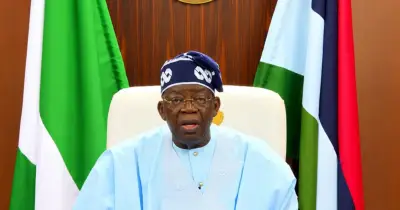
In a separate development, President Bola Ahmed Tinubu formally requested the Senate to suspend deliberations on the Cocoa Management Board Establishment Bill 2025. The presidential letter dated November 12 was read during plenary by Senate President Akpabio.
The President asked lawmakers to halt action on the bill to enable further consultations, despite having forwarded the legislation on November 10. The proposed bill aimed to strengthen Nigeria's participation in the global cocoa economy by improving coordination and standards throughout the cocoa value chain.
Senate President Akpabio announced that the bill was being stood down in line with the presidential request, demonstrating executive-legislative cooperation in the lawmaking process.
Implications of Tuesday's Decisions
The November 18 plenary session showcased the Senate's preference for thorough review and consultation over hasty decision-making. Both suspended matters represent significant legislative priorities—one dealing with internal procedures and the other addressing economic development in the agricultural sector.
Experts suggest the cautious approach reflects growing maturity in Nigeria's legislative processes, where proper consultation and consensus-building are prioritized. The Standing Orders amendments are expected to return to the floor once clarifications are obtained, while the cocoa bill will be revisited after presidential consultations are completed.
This development highlights the dynamic nature of lawmaking in Nigeria's democracy, where internal checks and executive input collectively shape the legislative agenda. Both matters remain active on the Senate's calendar and are anticipated to resurface once outstanding concerns are adequately addressed.