The Nigerian media industry is facing unprecedented economic challenges that threaten its survival and independence, prompting urgent calls for government intervention while raising concerns about potential compromise of editorial freedom.
Economic Realities Bite Hard
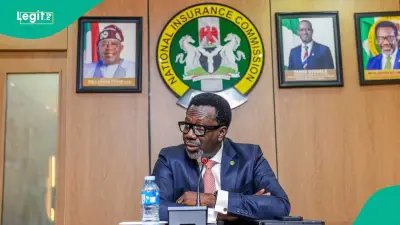
During the recent 21st All Nigeria Editors Conference (ANEC) held at the Presidential Villa Abuja Banquet Hall, Nigerian Guild of Editors President Eze Anaba sounded the alarm about the severe distress affecting media organizations nationwide. The Editor of Vanguard Newspapers highlighted how current economic reforms have created unsustainable operating conditions for media houses.
Anaba presented a comprehensive relief package request to the government, including corporate tax relief for ten years, VAT exemption, tax deductions, and access to affordable financing from the Bank of Industry. President Bola Tinubu, who hosted the editors, endorsed these requests to rescue the struggling media sector.
The Independence Dilemma
While acknowledging the genuine economic pressures, media experts caution against solutions that might compromise editorial independence. Dr. Chekwube Nzomiwu, Director of Media and Publicity at Development Communication Research Association of Nigeria (DECRAN), argues that government funding could lead to censorship and control of privately owned media.
"If the media go cap in hand begging for assistance from the government to survive, can they be bold enough to look at President Tinubu in the eyes and tell him the truth?" Nzomiwu questions. He emphasizes that Section 22 of the 1999 Constitution empowers the media to hold government accountable, a role that could be jeopardized by financial dependence.
The contrast with international models is stark. While the BBC freely criticizes the UK Prime Minister despite taxpayer funding, Nigerian government-owned media like NTA and FRCN primarily engage in public service broadcasting without robust government criticism.
Comparative Pricing and Survival Strategies
The economic analysis reveals startling disparities in newspaper pricing across markets. Nigerian newspapers sell at what experts call "ridiculous amounts" compared to international standards. The Guardian Nigeria costs N250 per copy, while the UK Guardian sells for approximately N2,500 and the New York Times equivalent reaches N10,000.
International media organizations generate significant revenue from digital subscriptions, a model Nigerian media has struggled to replicate effectively. In Ghana, newspaper digital editions cost about N200, while Kenya's Nation Media Group adjusted prices substantially and circulates about 180,000 copies daily, generating over N200 million daily from sales alone.
Nzomiwu suggests several survival strategies for Nigerian media:
- Content revolution - Publishing stories that connect with people rather than relying on government press releases
- Proper journalist compensation to enable investigative reporting
- Prudent management and advanced management training
- New marketing models to counter digital disruption
The keynote speaker at the conference, Imo State Governor Hope Uzodimma, reminded editors that their pen will shape the 2027 election, speaking on themes of democratic governance, national cohesion, and electoral integrity.
As the media industry navigates these challenging times, the fundamental question remains: how to survive economically without sacrificing the independent watchdog role that democracy requires. The solutions may lie not in government bailouts but in innovative business models and renewed commitment to public-service journalism that resonates with Nigerian audiences.