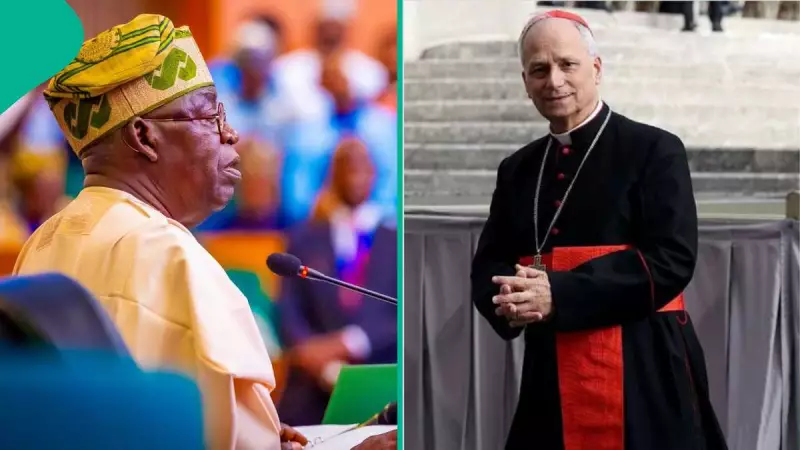
In a significant diplomatic move, Pope Leo XIV has publicly revised his previous characterization of the security situation in Nigeria, moving away from claims of targeted Christian genocide to acknowledge the widespread impact of violence across religious lines.
Vatican Clarification on Nigeria Conflict
Pope Leo XIV, the global head of the Catholic Church, made this important clarification while addressing journalists outside his residence at Castel Gandolfo in the Vatican on November 20, 2025. The pontiff explicitly emphasized that the ongoing violence in Nigeria has affected Christians, Muslims, and members of other religious communities throughout the country.
This statement represents a notable shift from his earlier position that specifically highlighted the targeting of Christians in Nigeria. The Pope's revised assessment acknowledges the complex nature of the security challenges facing Africa's most populous nation.
Context and Implications
The Pope's clarification comes amid ongoing debates about the nature of religious violence in Nigeria, where conflicts between farmers and herders, as well as terrorist activities by groups like Boko Haram, have created humanitarian crises affecting millions regardless of religious affiliation.
This diplomatic recalibration by the Vatican leadership could have significant implications for interfaith relations within Nigeria and international perceptions of the country's security situation. By acknowledging the widespread impact of violence across religious divides, the Pope's statement promotes a more inclusive understanding of the crisis.
Broader Impact on Religious Dialogue
The Pope's updated position aligns with efforts by various religious leaders in Nigeria who have been working to prevent the framing of conflicts along strictly religious lines. Many local bishops and imams have consistently emphasized that economic, political, and environmental factors often drive violence more than religious differences.
This development at the highest levels of Catholic leadership reinforces the importance of accurate conflict characterization and could influence how international organizations and foreign governments approach humanitarian and security assistance to Nigeria.
The timing of this statement, delivered directly to international journalists, suggests the Vatican considers this clarification both urgent and important for setting the record straight about the complex reality of violence in Nigeria.