Presidency Condemns Obasanjo's Security Remarks as Hypocritical
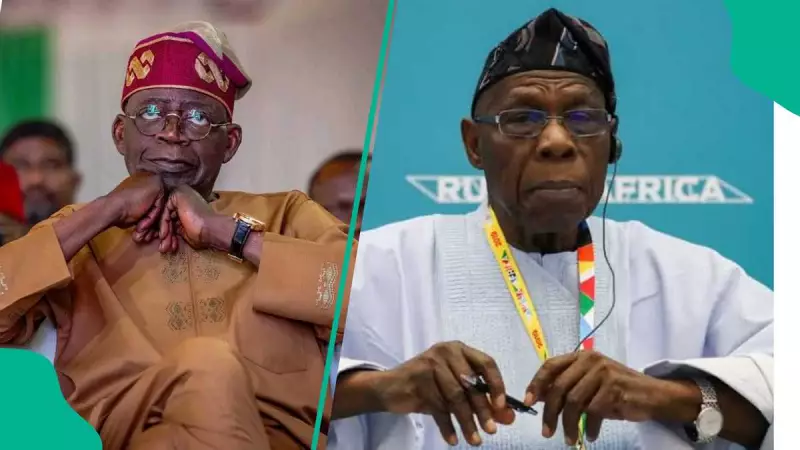
The Presidency has issued a strong response to former President Olusegun Obasanjo following his recent statements about Nigeria's worsening security situation. In a sharp rebuttal, the current administration described Obasanjo's comments as both hypocritical and ignoble, particularly given his own handling of security threats during his tenure.
Obasanjo's Controversial Stance on Foreign Intervention
The political tension escalated when former President Obasanjo suggested that Nigerians have the legitimate right to seek foreign assistance in addressing the country's security challenges. While Obasanjo neither explicitly supported nor condemned former US President Donald Trump's threat of military intervention in Nigeria, he defended those calling for international involvement to combat the rising insecurity.
Special Adviser on Media and Public Communication to President Bola Tinubu, Sunday Dare, delivered the administration's forceful response through his official X handle (formerly Twitter) on Sunday, November 30, 2025. Dare accused Obasanjo and other political figures of ignoring crucial facts in their criticism of the current government's security efforts.
Presidency Points to Historical Failures
In his statement, Dare emphasized that Nigeria is currently confronting terrorist threats by every definition - international, regional, and local. The presidential aide directly challenged Obasanjo's credibility on security matters, reminding Nigerians that the former president "looked away when Boko Haram first began organizing under his watch."
Dare's statement contained particularly strong language, stating: "Yet the very individuals who looked away when these threats first sprouted now want to sit in judgment. Nigerians know better." He characterized the suggestion of foreign security intervention as capitulation rather than statesmanship.
The presidential aide called on Obasanjo to reflect on his own administration's failures in addressing early terrorist activities before criticizing the current government. Rather than undermining ongoing efforts, Dare urged the former president to use his position and international connections to support Nigeria, similar to how he has assisted other countries.
Dare highlighted the Tinubu administration's comprehensive approach, which includes economic turnaround initiatives, security provision, and infrastructure development. He maintained that the government is fully engaged on multiple fronts to address the nation's challenges.
The exchange occurs against the backdrop of increased international attention on Nigeria's security situation. The US House Subcommittee on Africa has been preparing for public hearings to review President Trump's redesignation of Nigeria as a Country of Particular Concern, despite President Tinubu's rejection of claims regarding widespread Christian persecution.
This public disagreement between the current administration and a former president underscores the ongoing political tensions surrounding Nigeria's security crisis and the appropriate strategies to address it.