President Tinubu's Historic Decision Against Monopoly
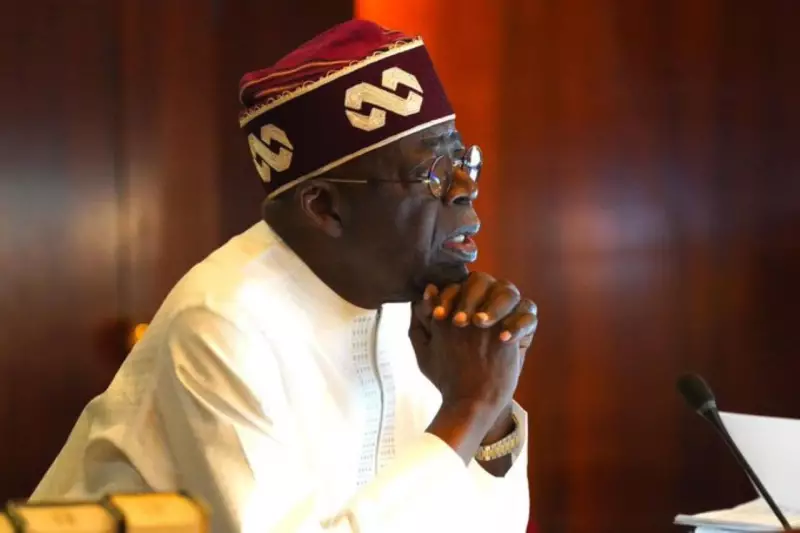
In a landmark move that has captured national attention, President Bola Tinubu has suspended the controversial 15% tariff on petrol and diesel. This decision represents more than just a policy adjustment—it marks a significant departure from a 26-year pattern where Nigerian leaders consistently favored monopoly interests over public welfare.
The suspension, announced on 19 November 2025, signals the first time in Nigeria's democratic history that a president has deliberately chosen to prioritize ordinary citizens over powerful business interests. For decades, successive administrations allowed a single businessman to dictate prices across essential sectors including sugar, cement, and now potentially fuel.
The Long History of Monopoly Control
Under President Obasanjo's administration, import barriers transformed cement into a lucrative venture for select few while Nigerians bore the financial burden. The pattern continued during President Jonathan's tenure, wrapped in nationalistic rhetoric but ultimately serving narrow interests. Even President Buhari's initial resistance eventually crumbled, leading to further entrenchment of monopoly power.
This historical context makes President Tinubu's decision particularly significant. For 26 years, ordinary Nigerians paid inflated prices while strategic sectors became dominated by single entities. The pursuit of competition was treated as an inconvenience rather than an economic necessity.
Economic Implications and Public Response
Nigerians have expressed widespread relief at the President's stance, especially following comments from Anthony Chiejina that portrayed the President as confrontational. The public has instead witnessed a leader demonstrating that listening to citizens constitutes strength rather than weakness.
However, analysts warn that opponents of the suspension are already mobilizing to reverse the decision. They're employing selective interpretations of the Petroleum Industry Act and questionable figures to argue for restoring the tariff. Their ultimate goal appears to be handing the entire fuel market to a single private refinery under the guise of "cost recovery."
Critical questions remain unanswered: What happens if this refinery, currently unable to meet national demand, fails to deliver before the next election cycle? What if maintenance issues arise or prices increase uncontrollably? The entire responsibility would fall on the Tinubu administration, not the refinery operators.
No country secures its economic future by placing national energy security in the hands of a single supplier, particularly when Nigeria lacks confirmed local refining capacity of even 60%, let alone the desired 80%. The only reliable alternative remains importation, making policy mistakes potentially catastrophic.
While the private refinery represents a bold investment that will likely succeed financially, it shouldn't achieve breakeven by burdening the poor within a single year. As a generational project, it should mature at a responsible pace that allows competition to thrive and enables ordinary Nigerians to breathe economically.
President Tinubu's decision demonstrates recognition of where real power should reside—with the people and their elected government, not with any individual regardless of wealth or influence. For the first time, Nigerians have a president willing to declare 'No, not at the expense of Nigerians.'
The nation now watches as the economy depends on this leadership, millions of households enduring years of hardship hope the President maintains this position, and the country resists becoming what amounts to a company town. Under President Tinubu's watch, Nigeria appears determined to break from its monopolistic past and embrace a more competitive economic future.