In a powerful response to the escalating crises across the continent, Africa's trade unions have declared an end to passive observation and are mobilizing a continent-wide initiative for peace, stability, and democratic governance.
A Continental Stand for Peace
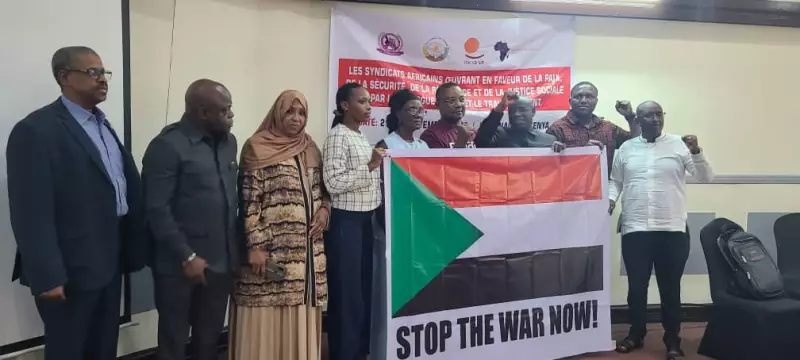
This decisive shift in strategy was cemented during a two-day workshop in Nairobi titled "Trade Union Contribution to Peace and Security in Africa", organized by the African Regional Organisation of the International Trade Union Confederation (ITUC-Africa). The meeting, held from November 20-21, 2025, brought together over 35 participants from nations including Nigeria, Chad, Mali, South Africa, and Niger.
With at least 30 African countries currently grappling with conflict, political crisis, or democratic backsliding, unions affirmed that workers, who bear the heaviest burdens, will no longer simply lament. Instead, they are launching a coordinated effort in conflict prevention, peacebuilding, and reconciliation.
Key Resolutions and Actions
A major and concrete proposal from the workshop is the creation of a workers-led Humanitarian Assistance Fund. This fund is designed to provide direct support to African workers trapped in crisis-hit countries through the provision of essential supplies like medicine and food.
In his opening address, Comrade Akhator Joel Odigie, ITUC-Africa General Secretary, set the tone, stating, "Our business as trade unions is not the business of lamentation. It is about what we think we can do to promote peace in the continent." He outlined an ambitious action plan for the coming year, which includes:
- Direct missions to conflict-affected countries, including the AES bloc, Sudan, DR Congo, and Rwanda, to engage governments on peace and workers' rights.
- Organizing a continental legal clinic to strengthen unions' capacity for social dialogue and conflict prevention.
- A firm condemnation of external influences, with Odigie noting that analyses "strongly suggest that they are sponsored by external influences in collusion with opportunistic local actors."
Solidarity Against Authoritarianism and Foreign Interference
The trade union movement also resolved to take continental solidarity actions to support workers and communities resisting authoritarianism, corruption, and the elite capture of state resources. This ensures the voices of the marginalized remain central in the quest for justice.
Comrade Bongani Masuku, head of International Relations at COSATU, emphasized that unions cannot detach from socio-political issues. "Trade unions cannot be uninterested in issues affecting their countries, their people, and the continent," he stated. Masuku was particularly critical of foreign interference, saying, "We have seen, particularly in West and Central Africa, the destructive interference of France. It is unacceptable to have foreign military troops effectively running affairs in parts of Africa."
The workshop concluded with a formal African trade union declaration on peace and security. In it, workers committed to actively defending decent work, freedom of association, and the right to strike as foundations for peace. They also pledged to advocate for good governance, credible elections, and fight against illicit financial flows and corruption, demanding increased investment in job creation and universal social protection.