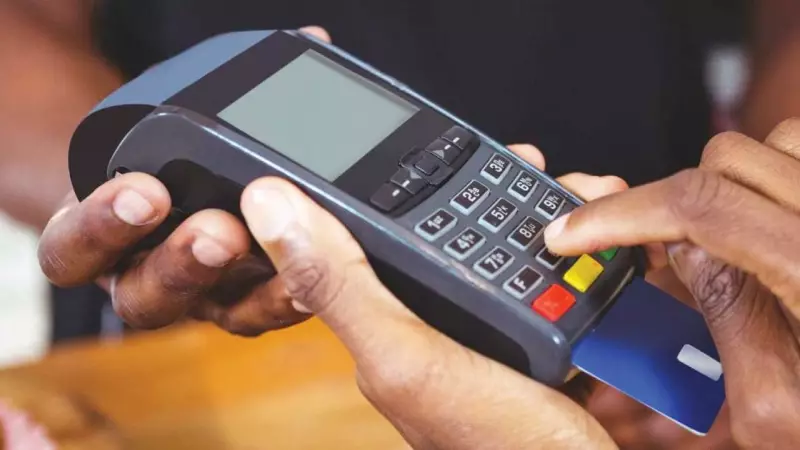
National Assembly Sounds Alarm Over Escalating POS Fraud
The House of Representatives has launched a comprehensive investigation into the alarming rise of fraud cases connected to Point-of-Sale (POS) operations across Nigeria. During a resumed investigative hearing at the National Assembly on Monday, lawmakers expressed serious concerns about growing security, regulatory and economic risks threatening the digital payment sector.
Security Breaches and Regulatory Gaps Exposed
Honourable Olufemi Bamisile, Chairman of the House Ad-hoc Committee on the Economic, Regulatory and Security Implications of Cryptocurrency Adoption and POS Operations, revealed disturbing findings. The Committee has received reports of unprofiled agents, cloned terminals, anonymous transactions and weak Know-Your-Customer processes that are exposing Nigerians to significant financial losses and security breaches.
"We are concerned about the growing rise in fraud associated with POS operations. Unprofiled agents, cloned terminals, and weak KYC practices continue to expose citizens to preventable dangers," Bamisile stated emphatically. He further disclosed that some POS operators are engaging in unauthorized cryptocurrency services, raising red flags about potential money laundering and terrorism financing activities.
The investigation uncovered even more troubling practices, including fictitious companies registered at the Corporate Affairs Commission that allegedly use stolen National Identification Numbers and Bank Verification Numbers to open accounts and launder money through unverified POS channels.
Staggering Financial Losses and Security Threats
Paul Okafor, National President of the Association of Digital Payment and POS Operators of Nigeria, presented shocking statistics that highlight the scale of the problem. He revealed that POS, banking and digital payment channels recorded N17.67 billion in fraud losses in 2023, affecting more than 80,000 customers. Even more alarming, these losses skyrocketed to N52.26 billion in 2024.
"More than 38,000 POS fraud cases were officially reported in one year. Unofficially, we estimate that over 70,000 cases go unreported because victims simply give up," Okafor told lawmakers. He emphasized that the rapid expansion of POS operators from about 50,000 in 2017 to over 2.3 million in 2025 has dramatically outpaced regulatory capacity, creating a direct national security concern.
The security implications extend beyond financial fraud, with Okafor revealing that security agencies in some states reported nearly 40% of kidnap ransom payments pass through informal POS channels.
Path Forward: Strengthening Regulations and Security
Committee Chairman Bamisile assured operators that the inquiry aims to strengthen the sector rather than punish legitimate businesses. "Our mandate is clear: to recommend legislation that will deliver a harmonised regulatory framework, stronger security safeguards, improved consumer protection, and an environment where innovation and investment can flourish responsibly," he explained.
The Committee also plans to review the practice of fintech companies storing customer data on foreign servers, warning that this undermines regulators' ability to conduct audits, trace suspicious transactions or enforce compliance.
Okafor proposed immediate regulatory actions, including:
- Mandatory Nigeria Police Force–NCCC Cybercrime Clearance Certificates for all POS operators
- Compulsory CAC registration for POS businesses
- Compulsory membership of recognised trade associations to support training and self-regulation
He cited successful examples from other countries, noting that Brazil saw agent fraud drop by over 60% after implementing police vetting, while India maintains low fraud rates despite having over five million agents due to strict verification requirements.
As the investigation continues, both lawmakers and industry stakeholders agree that urgent action is needed to protect Nigeria's financial system and national security from escalating digital payment fraud.