
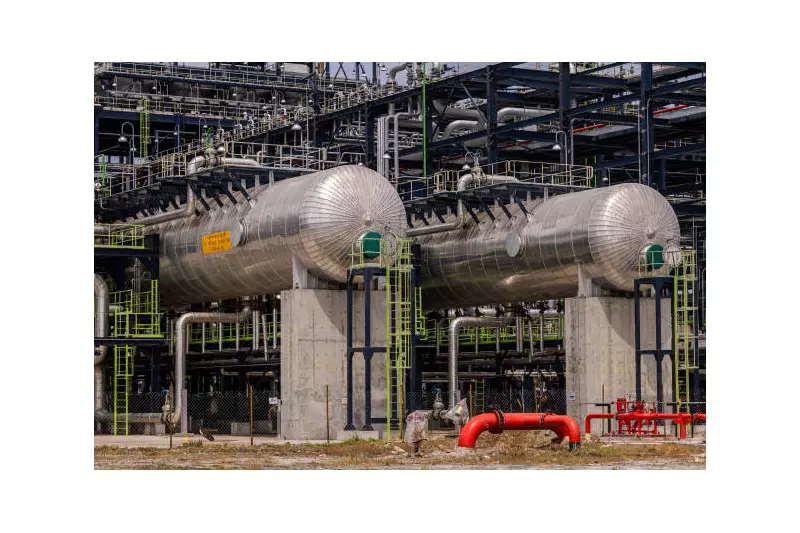
In a significant move set to reshape Nigeria's energy landscape, the Dangote Petroleum and Petrochemicals Refinery has officially declared its capacity to meet the nation's entire domestic demand for premium motor spirit (PMS), commonly known as petrol.
Historic Supply Commitment
The announcement was made in a formal letter dated Sunday, November 30, 2025, and signed by the refinery's Chief Executive Officer, David Bird. Addressed to the Nigerian Midstream and Downstream Petroleum Regulatory Authority (NMDPRA), the correspondence outlines a clear and ambitious supply schedule. The refinery confirmed it is ready and able to supply 1.5 billion litres of PMS per month throughout December 2025 and January 2026. This volume translates to an impressive 50 million litres per day.
Furthermore, the company plans to ramp up its output starting in February 2026. From that point onward, Dangote Refinery has committed to supplying a monumental 1.7 billion litres of petrol every month, which equates to 57 million litres per day.
A Push for Transparency and Operational Efficiency
In a bold step towards operational transparency, the refinery has invited the NMDPRA to deploy officials to its facility in Lagos beginning December 1. The purpose of this engagement is to independently verify and publicly release the daily supply volumes. Emphasizing its commitment to openness, Dangote Refinery also expressed its willingness to publish its daily production and stock volumes in both online and print media.
The letter also highlighted critical operational challenges that require regulatory support. Dangote Refinery has asked the NMDPRA to ensure the unhindered importation of crude oil, feedstocks, and blending components. Additionally, the company sought support for the seamless lifting of its finished products by vessel.
Addressing Logistical Hurdles for National Benefit
The refinery pointed out that persistent delays in vessel clearance are creating significant bottlenecks. These delays not only disrupt refinery operations but also negatively impact customers by introducing unnecessary costs and inefficiencies into the supply chain.
Concluding the letter, the management appealed for the authority's full cooperation to secure Nigeria's domestic fuel security and abundance. The plea was framed within the context of a Nigeria First policy, urging that all efforts be directed towards achieving benefits for all Nigerians.
This development marks a pivotal moment for Nigeria's quest for energy independence and price stability in the petroleum products market.




