Nigeria's real estate sector is undergoing a significant transformation as developers increasingly abandon traditional rental models in favor of build-to-sell strategies. This fundamental shift comes in response to mounting economic pressures that make long-term investments increasingly risky.
Economic Pressures Force Strategic Pivot
Fundamental cost pressures and microeconomic variables are compelling developers to focus intensely on developing build-to-sell units in major urban centers. With construction costs fluctuating monthly and financing rates rising sharply, developers say it's no longer feasible to wait years to recoup investments through rent or long-term leases.
The numbers tell a compelling story: cement prices climbed to N13,000 per bag in 2024, granite held at N11,000 per tonne, while iron rods rose dramatically to N1.45 million per tonne. These essential construction materials have seen price increases of over 100 percent in some cases, completely disrupting project timelines and budgets.
As inflation shows signs of easing, currency volatility and a shrinking pool of mortgage-ready buyers continue to push developers toward the build-to-sell model as a survival strategy. The emerging consensus across the sector recognizes that while this approach makes business sense, it could potentially deepen Nigeria's housing inequality if left unchecked.
Market Dynamics and Buyer Behavior
The transformation is being fueled by changing buyer behavior as well. With mortgage access weakening and households wary of long-term repayment commitments, more Nigerians—particularly those with higher purchasing power—now prefer outright purchase of completed homes.
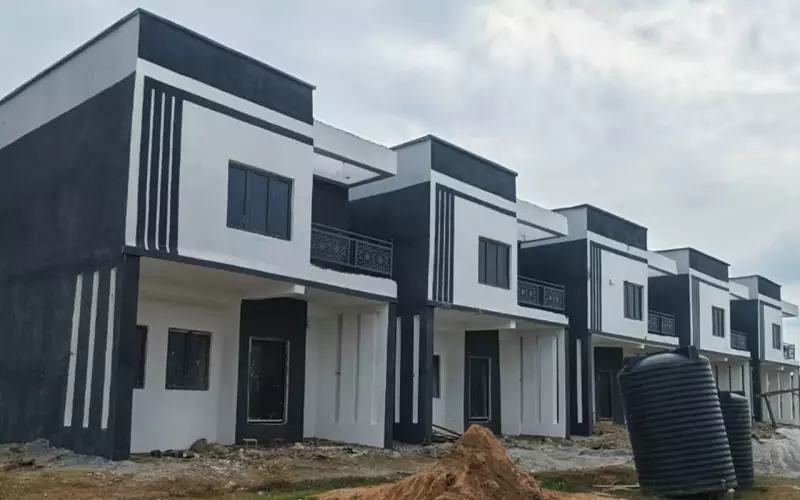
In high-demand markets such as Lagos, Abuja, and Port Harcourt, build-to-sell units now dominate new residential offerings. Current pricing reflects this trend:
- Two-bedroom apartments: N250 million to N450 million
- Three-bedroom units and duplexes: often exceeding N600 million
- One-bedroom apartments in prime areas: N35 million to N65 million
According to industry insights, these properties are largely purchased by Nigerians in the diaspora and high-net-worth individuals seeking stable investment opportunities in an uncertain economic climate.
Expert Perspectives and Long-Term Implications
Managing Director of Propertyvault Limited, Andy Morka, explained that the economic trigger for the build-to-sell model rests squarely on the need for immediate yield and short turnaround times. Most developers lack access to long-term financing needed for multiple projects across different locations, making the 12-month completion cycle ideal.
However, Morka noted significant challenges: "The demand for build-to-sell products is unpredictable. Sometimes projections do not materialise as expected. Any delay in sales ties down funds, slows down movement to new projects, and exposes developers to inflationary risks."
Olajide Dosunmu, Managing Director of Noble Ground Limited, traced the rise of build-to-sell to shrinking rental yields. While developers could earn up to 10 percent of property value annually through rent in the 1990s and early 2000s, today's economic pressures have reduced rental yields to between three and five percent in key markets.
Professor of Building at the University of Lagos, Martin Dada, emphasized that the motivations behind build-to-sell are rooted in basic economics. Most private housing developers finance their projects with loans and therefore face the pressure of rising interest obligations. In such circumstances, the need to recoup investment quickly becomes paramount.
Professor Austin Otegbulu, a Council Member of the Nigerian Institution of Estate Surveyors and Valuers (NIESV), warned that the rise of what he calls 'dealer developers' means the rental market is increasingly controlled by individuals who buy properties and later put them up for rent at their own terms.
The dominance of build-to-sell has introduced a new challenge: a glut of unoccupied buildings in city centers. In districts of Lagos and Abuja, completed luxury apartments remain empty for long periods as developers wait for the right buyers in a market where affordability has increasingly become a barrier.