The British Council has joined forces with the Federal Government of Nigeria and several development partners to develop concrete strategies for making education more inclusive, equitable, and transformative throughout the country.
International Conference Highlights Collaboration
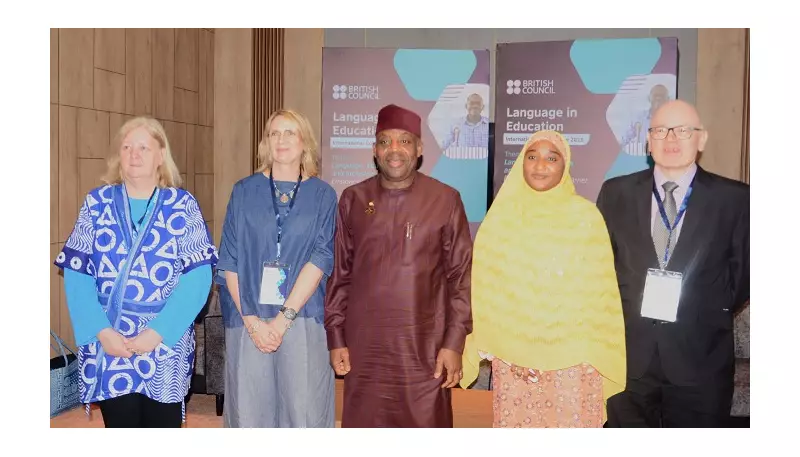
This significant collaboration was the focal point of the Language in Education International Conference 2025, held under the theme “Language, Education and Inclusion: Empowering Every Learner.” The event took place from November 12 to 13 at the Abuja Continental Hotel, marking its eighth consecutive year of bringing together global stakeholders.
In his address, the Minister of Education, Dr. Tunji Alausa, stressed the critical need for effective partnerships among educators, policymakers, and institutions. He reaffirmed the government's commitment to ensuring that every child in Nigeria has access to quality education.
Key Programmes and Partnerships
Dr. Alausa specifically highlighted the pivotal role of the British Council, praising its Strengthening Teacher English Proficiency (STEP) programme for making substantial progress in enhancing the capabilities of teachers across the nation.
The conference was organized in collaboration with a consortium of major development organizations, including:
- UNICEF
- Plan International
- FCDO PLANE
- Sightsavers
- Save the Children
- Sterling One Foundation
This two-day gathering of policymakers, educators, researchers, and development partners from around the world focused on the central role of language in advancing inclusive and equitable education.
Addressing Linguistic Diversity in Classrooms
A key issue discussed was the challenge of language of learning and teaching (LoLT) in Sub-Saharan Africa, a region with over 2,000 languages. While this multilingualism is a strength, it often becomes a significant barrier to learning for many children.
The conference programme explored several critical areas to overcome this challenge:
- Language and inclusive education
- Foundational learning through effective language applications
- Effective bilingual practices
- Strengthening teacher training for language-diverse classrooms
- The potential of technology in language education and assessment
Through plenary sessions, interactive workshops, and panel discussions, participants shared evidence, case studies, and practical strategies for building education systems that are responsive to linguistic diversity.
Expert Insights on Language and Inclusion
John Simpson, Senior Advisor of the English and School Education Programme at the British Council, emphasized that “Language is more than a medium of education; it is also the foundation of inclusion.” He described the conference as an opportunity to reimagine education systems that reflect Africa's rich linguistic and cultural diversity.
Echoing this sentiment, Julian Parry, Director of English Programmes for Sub-Saharan Africa at the British Council, stated that the organization acts as a trusted partner to governments, drawing on global evidence and local insights to help achieve education goals.
The event is expected to raise awareness of language as a central feature of education systems, strengthen cross-sectoral partnerships, and provide a platform for shaping recommendations on effective language, teacher development, and education practices in Nigeria.