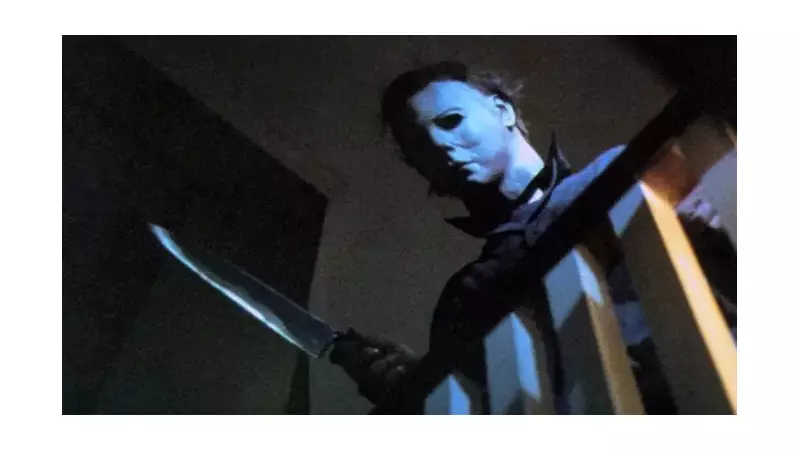
Many film enthusiasts often confuse thriller and horror genres, using the terms interchangeably when discussing movies and books. While both categories keep audiences on the edge of their seats and feature heart-racing moments, they operate on fundamentally different principles that set them apart in significant ways.
Understanding the Thriller Genre
Thrillers primarily focus on building suspense and anticipation, making viewers desperate to discover what happens next without necessarily feeling afraid. The danger presented in thriller stories typically remains grounded in reality, stemming from human motives such as crime, betrayal, or hidden secrets rather than supernatural elements.
Classic examples like Se7en (1995) directed by David Fincher demonstrate how thrillers explore human depravity through the pursuit of a serial killer motivated by the seven deadly sins. Similarly, Gone Girl (2014) transforms a missing-person case into a psychological cat-and-mouse game that constantly challenges audience perspectives.
Other notable thriller films include Prisoners (2013) featuring Hugh Jackman as a desperate father, and Alfred Hitchcock's timeless Rear Window (1954), which proves that minimal action can create maximum suspense when executed properly.
Exploring the Horror Genre
Horror films aim directly to scare, disturb, or unsettle viewers through atmospheric dread and the constant threat of imminent danger. Unlike thrillers that engage the mind, horror targets primal emotions and gut reactions, often incorporating supernatural elements, grotesque imagery, or profound emotional terror.
The Exorcist (1973) remains a benchmark for horror, terrifying audiences with its depiction of demonic possession and the subsequent battle between faith and evil. Modern horror masterpieces like Ari Aster's Hereditary (2018) blend family drama with supernatural elements to explore themes of grief and trauma that linger long after viewing.
James Wan's The Conjuring (2013) revived classic ghost stories with chilling atmosphere and strategic jump scares, while It Follows (2014) demonstrated that effective horror doesn't require excessive gore when built around a compelling, unsettling concept.
Key Differences Between Thriller and Horror
The emotional response differs significantly between the two genres. Thrillers generate excitement through curiosity, tension, and adrenaline, while horror provokes genuine fear and dread. This distinction separates clutching your seat in anticipation from covering your eyes in terror.
Stakes and villains vary considerably. Thriller dangers typically involve realistic threats like killers, missing persons, or ticking bombs with human antagonists. Horror often introduces otherworldly elements including ghosts, demons, curses, or symbolic representations of deeper fears.
The primary goals diverge between intellectual engagement and emotional impact. Thrillers encourage viewers to become detectives, piecing together clues and anticipating twists. Horror seeks to provoke immediate emotional reactions of shock, disgust, or primal fear.
Tone and pacing create different viewing experiences. Thrillers maintain sharp, fast-paced momentum that drives the narrative forward. Horror often employs slower, heavier atmospheres that immerse viewers in building dread.
Villain characteristics separate the genres clearly. Thriller antagonists are typically clever, manipulative humans with complex motivations. Horror villains frequently embody supernatural forces, monstrous entities, or symbolic representations of psychological trauma.
Notable Similarities and Overlap
Despite their differences, thriller and horror genres share significant common ground. Both rely heavily on suspense, danger, and emotional intensity to engage audiences. They employ similar techniques using music, lighting, and pacing to create unease and tension throughout their narratives.
Many successful stories exist at the intersection of both genres. Alfred Hitchcock's Psycho (1960) technically qualifies as a thriller but contains horror elements that cemented its legacy in both categories. Jordan Peele's Get Out (2017) masterfully blends social thriller commentary with genuine horror elements to enhance its chilling message about societal issues.
Both genres explore humanity's darker aspects, whether through realistic criminal behavior or supernatural manifestations of evil. They challenge characters with extreme circumstances that test their limits and moral boundaries.
Understanding these distinctions helps viewers select content matching their preferred viewing experience. Thrillers satisfy those seeking intellectual stimulation and plot-driven tension, while horror appeals to audiences craving emotional catharsis through fear and supernatural elements.