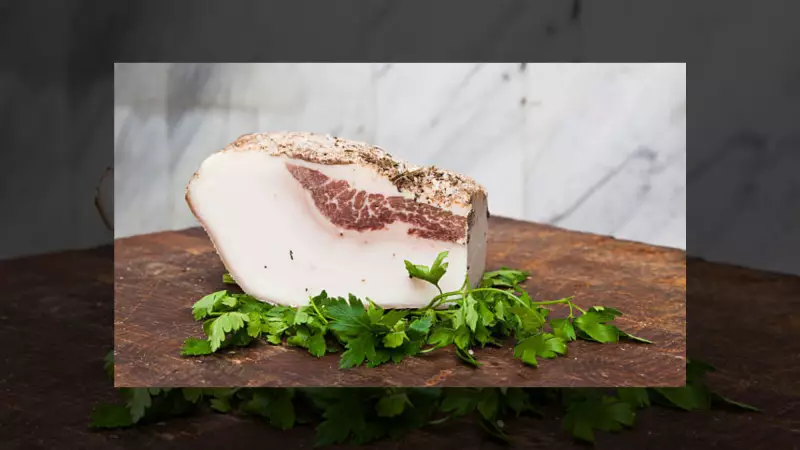
An old-fashioned ingredient from our grandparents' era is making a surprising comeback in Nigerian beauty circles. Beef tallow, once a traditional staple, is now trending heavily among natural skincare enthusiasts and those embracing ancestral wellness practices.
What Exactly Is Beef Tallow?
Beef tallow is rendered fat from cattle, typically sourced from suet found around the kidneys and loins. Through slow heating and straining, this fat transforms into a creamy, solid substance that's gaining popularity as a skincare powerhouse.
Historically, Nigerians and other cultures used tallow not just for cooking but also in traditional healing balms, soaps, and moisturizers. Its recent revival connects to growing interest in natural ingredients and resistance against heavily processed beauty products.
Science Behind Tallow's Skin Benefits
The effectiveness of beef tallow lies in its remarkable similarity to human sebum. Its fatty acid profile closely matches our skin's natural oils, making it highly compatible and easily absorbed.
Key benefits include rich concentrations of bioavailable fatty acids like oleic acid for moisture retention, stearic acid for skin structure, and palmitic acid for barrier protection. It also contains conjugated linoleic acid (CLA) with anti-inflammatory properties and naturally occurring vitamins A, D, E, and K.
These nutrients work together to fortify weak skin barriers, soothe dryness, support healing, and reduce inflammation – making it particularly beneficial for Nigerian skin dealing with harmattan dryness or urban pollution.
Who Should Use Beef Tallow Skincare?
Beef tallow works exceptionally well for specific skin types commonly found in Nigeria. Those with dry or mature skin, sensitive or reactive complexions, damaged moisture barriers, or eczema-prone skin often see significant improvements.
People living in Nigeria's drier northern regions or experiencing seasonal harmattan conditions may find tallow provides the deep, long-lasting moisturization their skin needs.
However, individuals with very oily or acne-prone skin should approach with caution. While some see improvements due to its anti-inflammatory properties, others might find the rich formulation too heavy and potentially pore-clogging.
How to Safely Incorporate Tallow into Your Routine
For Nigerians interested in trying beef tallow, quality matters tremendously. Always choose products from grass-fed, pasture-raised cattle that have been slowly rendered and stored in glass containers.
Start with a patch test, particularly if you have sensitive or acne-prone skin. Use only a pea-sized amount melted between fingers before application. Many Nigerians find it works best as a nighttime treatment or for targeting extra-dry areas like elbows, knees, and eczema patches.
Pure, well-rendered tallow should have a mild, neutral scent. If it smells strongly "beefy," it might indicate improper rendering process.
While beef tallow isn't a miracle solution for everyone, it represents a return to nutrient-dense, bioavailable skincare that our ancestors understood well. For many Nigerians seeking natural alternatives to commercial products, this traditional ingredient offers deep nourishment and barrier support that aligns with both cultural heritage and modern wellness needs.