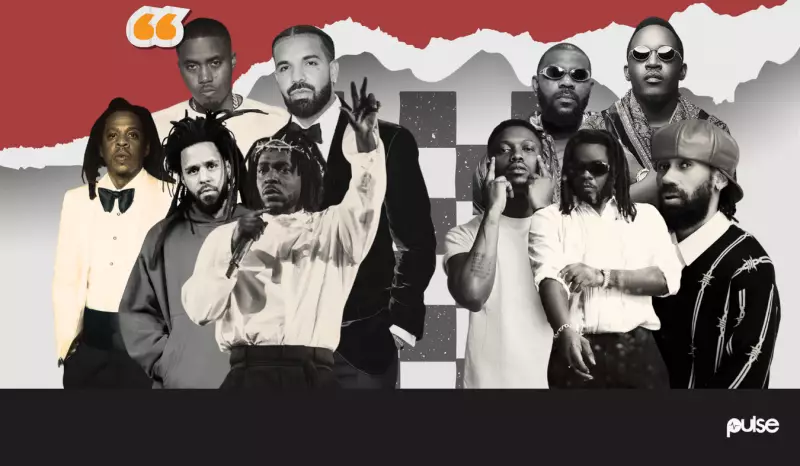
The ongoing debate about hip-hop versus rap continues to influence music lovers worldwide, yet many Nigerian fans still find themselves confused about what truly separates these two terms. Understanding this distinction is essential for appreciating the depth of modern music culture.
The Fundamental Distinction: Culture vs Music
Hip-hop represents an entire cultural movement, while rap refers specifically to a musical style. This crucial difference means that every rap song falls under the hip-hop umbrella, but hip-hop encompasses much more than just rap music. The legendary pioneer KRS-One perfectly captured this distinction when he stated, "Rap is something you do. Hip-hop is something you live."
Historical Roots in the Bronx
The story of hip-hop began in the 1970s in the Bronx, New York City, during a period of significant social and economic challenges. Young Black and Latino communities sought creative outlets for self-expression, leading to the birth of a revolutionary cultural movement at block parties.
DJ Kool Herc stands as the founding father of this movement. His innovation of extending the percussive breaks in funk and soul records using two turntables created the foundation for what would become hip-hop culture. This musical innovation provided the platform for B-Boys and B-Girls to dance, marking the beginning of a global phenomenon.
The Four Pillars of Hip-Hop Culture
Hip-hop culture rests on four foundational elements that together create a complete lifestyle:
- MCing - This is what most people recognize as rap, where the Master of Ceremonies delivers rhythmic speech over beats
- DJing - The art of creating music using turntables and mixers
- Breakdancing - The energetic street dance form involving floor work and dramatic freezes
- Graffiti Art - The visual expression of hip-hop culture through urban art
These four elements demonstrate that hip-hop extends far beyond musical expression alone.
Rap as Vocal Artistry
Rap specifically refers to the rhythmic delivery of rhyming speech, making it a vocal technique rather than a complete cultural package. This musical form has produced some of the most influential artists in modern history.
Global rap legends like Nas, Jay-Z, and Kendrick Lamar have mastered the art of lyrical storytelling over beats. Their work represents the pinnacle of rap as a musical form, yet all operate within the broader context of hip-hop culture.
Nigerian Artists and the Hip-Hop vs Rap Dynamic
Nigeria's vibrant music scene provides excellent examples of how rap functions within hip-hop culture. Local artists have adapted the art form to reflect Nigerian identity, creating what many now call Afro hip-hop.
Olamide has become a giant of indigenous rap, delivering powerful verses in Yoruba that resonate deeply with Nigerian audiences. His impact extends beyond music into fashion and street slang, establishing him as a true hip-hop icon rather than just a rap artist.
Similarly, Phyno has brought the Igbo language to the forefront of rap music while blending traditional highlife elements with contemporary beats. His work demonstrates how rap can serve as a vehicle for cultural expression within the larger hip-hop framework.
The pioneering work of artists like Mode Nine emphasized pure lyrical skill, focusing on complex wordplay and multi-syllabic rhymes that showcased technical mastery of rap. Meanwhile, M.I Abaga built upon this foundation to bring sophisticated rap content to mainstream audiences.
From Music to Mogul: The Commercial Evolution
The distinction between hip-hop and rap becomes particularly evident when examining commercial success and cultural influence. Many artists have used their rap careers as launching pads for broader cultural enterprises.
Jay-Z exemplifies this transition, transforming from a celebrated rap lyricist into a hip-hop mogul through his Roc Nation entertainment empire. This entrepreneurial spirit represents a core aspect of modern hip-hop culture that extends beyond musical creation.
In Nigeria, artists like eLDee have followed similar paths, moving from rap performance to production and entrepreneurship while helping to establish the blueprint for Nigerian hip-hop culture.
The Essential Takeaway
The relationship between hip-hop and rap is fundamentally hierarchical. Hip-hop serves as the comprehensive cultural container, while rap operates as one of its most prominent musical components. All rap music exists within hip-hop culture, but hip-hop encompasses artistic expressions and lifestyle elements that have nothing to do with rapping.
This understanding helps explain why artists like Olamide and Phyno have such profound cultural impact in Nigeria. Their mastery of rap technique represents just one aspect of their contribution to the broader hip-hop movement that influences fashion, language, and youth culture across the nation.
As the global conversation about hip-hop versus rap continues to evolve, Nigerian artists will undoubtedly play an increasingly important role in shaping both the musical and cultural dimensions of this dynamic art form.