In today's music landscape, the term 'trap' gets casually thrown around to describe almost any rap song with heavy drums or bass. However, trap music represents its own distinct world - a unique sound with deep cultural roots and specific characteristics that set it apart from mainstream rap. This exploration breaks down trap music's authentic origins, its remarkable evolution, and its powerful resonance with Nigerian audiences.
The Birth and Evolution of Trap Music
Trap music began long before it became a global phenomenon. During the early 1990s, Southern rappers used the term 'the trap' to describe actual trap houses - locations where drugs were sold and survival dictated daily life. Initially, the music served as raw storytelling rather than a defined genre.
The transformation began in the late 1990s when producers from Atlanta, Memphis, and New Orleans started developing a darker, drum-heavy sound around these narratives. Pioneering artists like UGL laid crucial groundwork with tracks such as 'Cocaine In The Back of the Ride' and 'Pocket Full of Stones' from 1992.
Master P further advanced the movement with 'Mr Ice Cream Man' in 1996. By the early 2000s, rappers focusing heavily on drug dealing and street life became known as trap rappers, with T.I.'s 'Dope Boyz' from 2001 serving as a defining moment for the emerging genre.
Trap Music Goes Mainstream and Global
The mid-2000s witnessed trap music's breakthrough into mainstream consciousness. Artists including Young Jeezy, Gucci Mane, Boosie Badazz, Young Dolph, Lil Wayne, and Rick Ross transformed trap into a commercial force. The genre's sound crystallized around 2010-2011 when producer Lex Luger developed a cinematic, 808-heavy style that became the blueprint for modern trap.
Luger's influential sound directly inspired the next generation of producers like Metro Boomin, Southside, and Sonny Digital. From this foundation, trap music exploded globally, crossing international borders and merging with various musical genres to create exciting new fusions.
What Defines Authentic Trap Music?
True trap music possesses a distinctive sonic signature that listeners feel physically before processing intellectually. The foundation consists of deep, booming bass that resonates in the chest, combined with fast, ticking drum patterns that create urgent energy.
Layered over this rhythmic foundation are melodic elements - often eerie, cinematic, or haunting - produced using electronic instruments like keyboards and synthesized strings. Vocals typically feature Auto-Tune effects, creating a clean, futuristic sound that complements the hard-hitting beats.
Lyrically, trap music tells compelling stories about violence, hustle, ambition, survival, and pursuing success against overwhelming odds. These narratives frequently reflect street life realities and the relentless grind of overcoming adversity.
Trap Versus Rap: Understanding the Crucial Difference
Many music fans confuse trap with rap, but they represent distinct concepts. Rap constitutes a vocal delivery style - the art of rhyming, flowing, and maintaining tempo. An artist can rap over any beat type, including boom-bap, Afrobeats, drill, or trap instrumentals.
Conversely, trap represents a specific hip-hop subgenre with its own sonic identity. Trap beats center around heavy 808 bass, sharp hi-hats, and dark, moody synthesizers. The lyrics typically draw from authentic experiences in trap houses where drugs were sold and where the genre's pioneering artists originated.
Essentially, artists can rap without creating trap music, but they cannot make authentic trap without incorporating its signature production elements and thematic content.
Trap's Global Influence and Nigerian Connection
Trap music has demonstrated remarkable adaptability, spawning numerous subgenres and hybrid sounds worldwide. These include the darker, aggressive beats of drill from Chicago and the UK, Spanish-language Latin trap popularized by artists like Bad Bunny, and the romantic fusion of trap soul.
Other notable variations include EDM trap with electronic dance energy, radio-friendly pop trap, mellow lo-fi trap with introspective lyrics, and innovative combinations like K-pop trap, trap-metal, and even country trap.
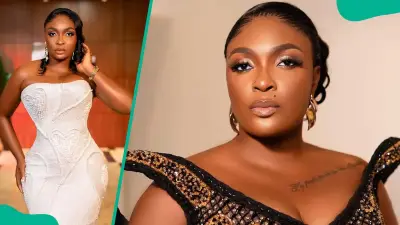
In Nigeria, trap elements have significantly influenced Afrobeats, creating hybrid tracks that feel both locally authentic and globally relevant. Artists like Blaqbonez skillfully incorporate trap components into their music, making the sound relatable for Nigerian youth navigating their own versions of 'the trap' - whether in Lagos traffic, bustling markets, or digital hustle spaces.
Trap Culture Beyond the Music
Trap has evolved into a comprehensive lifestyle and mindset embraced by fans worldwide. Nigerian youth particularly connect with its celebration of hustle, ambition, wealth accumulation, and street intelligence - themes that resonate deeply in a society where young people constantly navigate economic and social challenges.
The genre does face criticism for lyrics that sometimes reference violence, drugs, and criminal activity. Some argue it glamorizes negative behavior, while others view it as an authentic reflection of marginalized communities' realities - a powerful medium for narrating hardship, ambition, and resilience.
Trap culture has also significantly influenced fashion trends, dance movements, and social media phenomena. From streetwear and sneaker culture to viral TikTok challenges, trap has permeated how young Nigerians express identity and energy.
Ultimately, trap music succeeds because it combines raw energy with emotional honesty and aspirational themes. Nigerian youth relate profoundly to its narratives of struggle, ambition, and the exhilarating pursuit of success. As local artists continue blending trap's global sound with African rhythms, they're creating something entirely new - music that feels simultaneously international and unmistakably Nigerian.