If you've ever attended a rave, watched a music festival, scrolled through TikTok, or listened to a high-energy playlist, you've already experienced EDM music. You might not realize it because you don't fully understand what this musical genre encompasses. So what exactly is EDM? In simple terms, EDM stands for Electronic Dance Music - a broad category covering electronic tracks specifically created to get people moving and dancing.
Understanding EDM Music
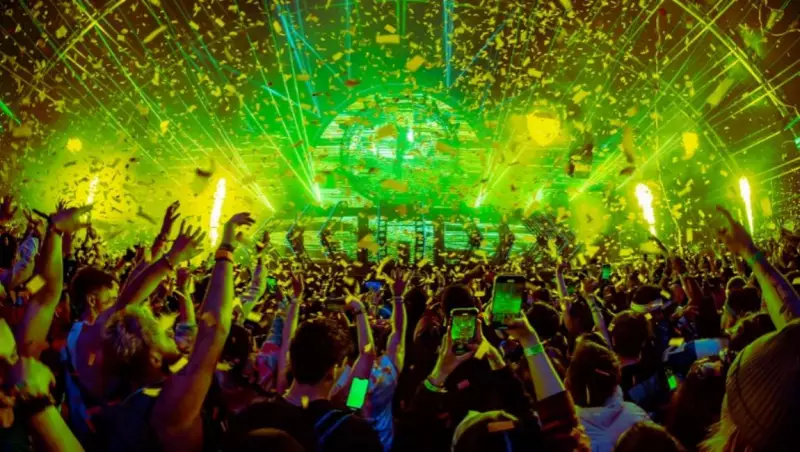
EDM serves as shorthand for Electronic Dance Music, but that definition only scratches the surface. Rather than representing a single musical style, it functions as an umbrella term for numerous electronic subgenres all designed with one primary purpose: to make people party. The diversity of sounds and expressions within EDM is remarkable, yet what connects them all is their emphasis on rhythm, beats, and energy that can move massive crowds in nightclubs, raves, or enormous festival settings.
The distinctive character of EDM lies in its production techniques. Most tracks are constructed using programmed beats, synthesizers, audio loops, and digital effects rather than traditional acoustic instruments. Listeners typically experience steady rhythms, gradually rising buildups, and explosive climactic drops that combine to create an immersive, high-energy musical journey.
The Evolution of Electronic Dance Music
EDM's origins trace back to the late 1970s disco era, when electronic instruments and drum machines first began appearing in dance music. During the 1980s, synthpop and post-disco sounds helped push electronic music into mainstream European consciousness, aided by technological innovations like MIDI and personal computers that made music production more accessible to creators.
The 1990s witnessed the emergence of genres we now recognize as EDM staples: techno, house, hardcore rave (which evolved into hardstyle), trance, and drum and bass. Europe led this musical revolution with its vibrant club culture and pioneering festivals, while the United States developed regional scenes in cities like New York, Detroit, and Florida.
Despite its growing popularity, EDM faced significant resistance from mainstream media, particularly in the United States, because of its close association with rave culture and recreational drug use. Authorities and media outlets frequently portrayed the scene as dangerous, leading to restrictive legislation and negative public perception that pushed the music underground for several years.
By the 2000s, EDM began spreading globally thanks to influential figures like Dutch DJ Tiesto. The genre reached unprecedented creative and commercial heights during the 2010s as artists like David Guetta and Skrillex became household names. Today, EDM significantly influences pop music, hip-hop, and global festival culture, having largely left its underground origins behind while maintaining its essential high-energy character.
Nigeria's Growing EDM Scene
Nigeria has developed a rapidly expanding EDM scene that creatively blends traditional Afrobeats rhythms with electronic sounds, resulting in a unique style often called Afro-EDM. This fusion genre is gaining substantial popularity, particularly among Generation Z, through raves, specialized events, and festivals that foster inclusive musical communities.
Local Nigerian DJs and music collectives are actively experimenting with EDM, pushing the genre beyond global trends while adding distinctive Nigerian flavors. Afro-EDM demonstrates how electronic dance music is evolving within local contexts, effectively connecting the global energy of EDM with Africa's rich and diverse musical heritage.
Major EDM Subgenres Explained
Disco: Disco served as EDM's first major influence. By combining rhythm & blues, funk, soul, and pop elements, disco tracks utilized drum machines and electronic components to get people dancing - even before full-blown EDM existed as we know it today.
House Music: Originating in Chicago during the 1980s, house music became the foundational element of modern EDM. Pioneering artists like Frankie Knuckles developed the sound, which subsequently spread worldwide and spawned countless subgenres including techno and trance.
Drum and Bass (DnB): Emerging from the United Kingdom in the 1990s, drum and bass is characterized by its fast-paced breakbeats and heavy basslines. Substyles like liquid DnB incorporate melodic elements to create a gentler listening experience.
Dubstep: Often confused with drum and bass, dubstep features slower tempos but emphasizes wobble bass and unconventional rhythmic patterns, making it instantly recognizable in club and festival environments.
Techno: If house music represents lightness, techno embodies darkness. With its steady four-on-the-floor beats and raw, atmospheric sounds, techno emphasizes rhythm and extended musical builds. Pioneers like Juan Atkins, Derrick May, and Kevin Saunderson established its fundamental characteristics.
Afro-EDM: This rising trend in Nigeria blends electronic beats with traditional Afrobeats rhythms, creating a sound that's both highly danceable and uniquely local. Underground events and Gen Z-driven communities are actively fueling its growth across the country.
How EDM Differs From Other Music Forms
EDM versus Rock Music: EDM focuses primarily on electronic beats and rhythms designed for dancing, while rock music centers around live instruments like guitars, bass, and drums, typically featuring strong vocal performances. The fundamental difference lies in emphasis: EDM prioritizes production quality and dancefloor energy, whereas rock emphasizes live performance and song structure. Although both genres can create high-energy experiences, their methods of engaging listeners differ completely.
EDM versus Electronic Music: Not all electronic music qualifies as EDM. Electronic music represents a broad category that includes ambient, experimental, synthpop, and soundtrack styles. EDM constitutes a specific subcategory created specifically for high-energy dancing, festival sets, and DJ mixes. Essentially, all EDM is electronic music, but not all electronic music is EDM.
The Enduring Appeal of EDM
EDM's popularity extends far beyond its rhythmic qualities. The complex beats and layered sounds stimulate the brain's reward system, releasing dopamine and generating feelings of pleasure. Devoted fans appreciate the communal energy experienced at festivals, the creativity displayed in remixes, and the genre's frequent focus on musical elements over vocal performances.
EDM continues to thrive despite occasional claims that the genre is declining. Its presence everywhere from underground raves to massive stadium festivals demonstrates its enduring popularity and cultural relevance.
Electronic dance music has evolved across decades, continents, and countless styles. Whether you're curious about house, dubstep, techno, or the emerging Afro-EDM scene, exploring this diverse genre offers the opportunity to experience the energy, creativity, and communal joy that define electronic dance music in the modern era.