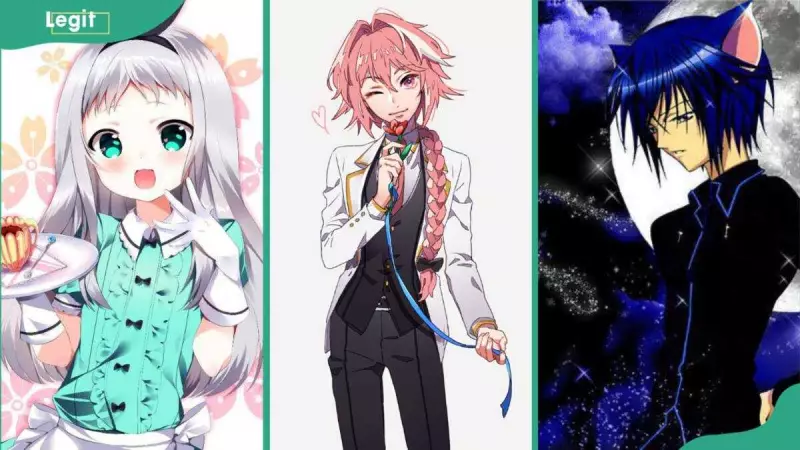
The world of anime continues to push creative boundaries with characters that challenge traditional gender stereotypes. These fascinating personalities, often called "traps" in anime culture, blur the lines between masculinity and femininity while captivating audiences worldwide.
What Makes Anime Traps So Compelling?
Anime traps represent some of the most innovative character designs in Japanese animation. These characters defy conventional gender expectations through their appearance, behavior, and story arcs. They add depth, humor, and unexpected twists to anime narratives while highlighting the medium's creativity and inclusivity.
The term "trap" refers to characters whose appearance contradicts their biological gender, often leading to surprising reveals and memorable moments in their respective series. These characters have become increasingly popular among global anime fans for their unique charm and ability to challenge societal norms.
The Ultimate Ranking of Anime Trap Characters
Based on extensive research and fan popularity, here are the top 40 anime traps that have made significant impact in the industry:
Honjo Kamatari from Rurouni Kenshin claims the top position. This character from the classic samurai series initially appears male but later identifies as female, representing one of anime's earliest explorations of gender fluidity.
Chihiro Fujisaki from Danganronpa: The Animation takes second place. This skilled programmer initially presents as male but later reveals her female identity, adding emotional depth to the survival game narrative.
Felix Argyle from Re:Zero - Starting Life in Another World ranks third. Known as Ferris among fans, this charismatic healer with cat-like features consistently challenges gender norms throughout the series.
Astolfo from Fate/Apocrypha secures fourth position. With cheerful personality and androgynous design, this pink-haired character has become one of the most recognizable trap characters in modern anime.
Haku from Naruto completes the top five. This skilled ninja's gender ambiguity during early story arcs created one of anime's most memorable character reveals.
Notable Mentions in the Trap Category
The comprehensive list includes numerous other remarkable characters who contribute to anime's diversity. Migurie Minna from Sekirei brings strategic intelligence to the genre, while Hime Arikawa from Princess Princess explores the complexities of forced cross-dressing in school settings.
Rui Hanazono from Fruits Basket represents the student council archetype with gender-bending elements, and Yuki Sohma from the same series demonstrates how cursed family dynamics can intersect with gender expression.
More recent additions like Hideri Kanzaki from Blend S showcase contemporary approaches to the trope, with characters openly pursuing cross-dressing for personal fulfillment and career aspirations.
Historical Context and Cultural Impact
The concept of gender-bending characters in anime dates back several decades. Michi from Metropolis (1949) is widely considered the first anime trap, followed by Sapphire from Princess Knight (1953) and Jun Watarase from Urusei Yatsura (1978).
These pioneering characters paved the way for today's diverse representations of gender non-conforming individuals in animation. Their enduring popularity demonstrates how anime continues to explore complex identity issues while entertaining global audiences.
The cultural impact of anime traps extends beyond entertainment, influencing fashion, cosplay, and discussions about gender expression in mainstream media. These characters have become icons for many fans who appreciate their challenge to traditional gender binaries.
As anime continues to evolve, these characters remain testament to the medium's ability to address social issues through creative storytelling and character development.