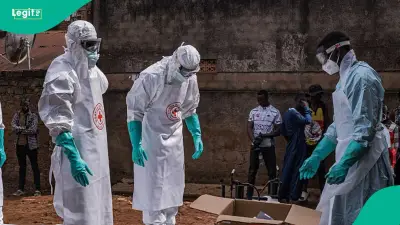
A devastating cholera outbreak has claimed the lives of 10 people in Adamawa State, leaving rural communities struggling to survive with limited medical assistance reaching remote villages. The crisis has exposed severe gaps in healthcare access and clean water infrastructure in Nigeria's rural areas.
Victims Describe Desperate Conditions
Residents of affected communities in Mubi Local Government Area are facing unimaginable hardships as the waterborne disease continues to spread. Mr Salihu Ahmed, one of the victims, shared his traumatic experience: "I contracted this disease unknowingly when I went to greet a friend who was infected. That same night, I started throwing up and excreting uncontrollably."
Ahmed revealed the root of the problem: "I live in a local community where we don't have a good source of water. We fetch our drinking water from a dilapidated well where all sorts of dirt is being poured." His situation worsened when he couldn't access the government's free treatment program available to others.
Government Response Fails Remote Villages
Despite government efforts to provide medical assistance, many rural residents report being completely overlooked. Mr Adamu Isa, another cholera victim, expressed his frustration: "I only heard that the government came and treated other victims. We in the local villages have not benefited from the treatment, and I'm still battling with the disease."
The emotional toll on families is severe. Isa added, "My wives and children are always worried that I will die and leave them. We have no money to buy any medication." This sentiment echoes throughout communities where poverty compounds the health crisis.
Water Crisis Fuels Disease Spread
The outbreak has highlighted the critical lack of clean water sources in rural Adamawa. Multiple victims described sharing drinking water with cattle from locally dug wells, creating ideal conditions for waterborne diseases to thrive. Mrs Saadatu Magana made an emotional plea regarding her sick sister: "All the efforts we made proved abortive. The treatment was given to only those in the local city and not to us in rural communities. My sister is gradually dying, and I don't want to watch her die."
Magana directly appealed to authorities: "I'm calling on the government to come to our aid. We need good sources of water and other social amenities. Our loved ones are dying because of this outbreak."
Makeshift Remedies Replace Proper Medical Care
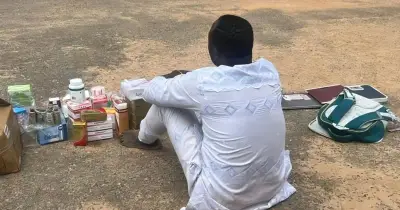
With professional medical treatment unavailable, residents have turned to traditional remedies with limited success. Mr Abdul Mallam described his desperate situation: "I woke up one morning and started having strange feelings in my body. It extended to vomiting heavily and excreting too much. I was advised to soak dry garri without sugar, as it will help in reducing the vomiting."
While the garri provided temporary relief, Mallam acknowledged its limitations: "The garri is the only thing I'm still taking to date, and it's causing me constipation too. The treatment hasn't reached our side because we are in a deep rural community where no one cares about how we live or survive."
Sokoto Also Battles Cholera Crisis
The health emergency extends beyond Adamawa State. In Sokoto state, health authorities have confirmed 25 cholera-related deaths with 15 people currently hospitalized. Health Commissioner Hajiya Asabe Balarabe confirmed that laboratory tests identified active cases in Sokoto North, Silame, and Kware Local Government Areas.
The Sokoto state government has initiated response measures, distributing free medication across all 18 local government areas in an effort to contain the outbreak's spread.
As the crisis continues, rural residents like Abdul Mallam summarize the collective despair: "We need help and medication. We are dying slowly. We are weak and hopeless. Our children have become school dropouts." The situation remains critical as communities wait for comprehensive government intervention.