The Sokoto State Government has officially announced an outbreak of Dengue Fever within the state metropolis. Health authorities have confirmed eight verified cases in areas covering Sokoto North and Sokoto South.
Health Advisory and Proactive Measures
On Sunday, the State Ministry of Health issued an advisory to all public and private health facilities. This notice highlighted increasing reports of fever and symptoms that closely mimic severe malaria in several communities. The ministry has directed health workers to significantly enhance their surveillance and case detection efforts.
Commissioner for Health, Faruk Abubakar, stated that the state is implementing proactive measures to curb the spread of mosquito-borne diseases. He emphasized that while many symptoms are similar to malaria, the management of Dengue Fever is different and requires specific attention.
The official advisory places all healthcare workers on high alert, instructing them to maintain a strong suspicion of Dengue Fever in patients presenting with:
- Fever
- Headache
- Joint and body pains
- Skin rash
This is especially critical if a rapid diagnostic test for malaria returns negative or if the patient's symptoms persist despite standard malaria treatment.
Case Reporting and Treatment Guidelines
The ministry has mandated that all healthcare facilities must immediately report any suspected cases to the Local Government Area (LGA) Disease Surveillance and Notification Officers. Furthermore, facilities must ensure proper sample collection for laboratory confirmation.
In a crucial treatment directive, Commissioner Abubakar cautioned clinicians against using common Non-Steroidal Anti-Inflammatory Drugs (NSAIDs) like ibuprofen and aspirin for suspected Dengue patients. These medications can increase the risk of bleeding complications. Instead, paracetamol is recommended for managing fever.
The state government is stressing the importance of:
- Strict Infection Prevention and Control (IPC) measures
- Proper waste disposal to eliminate mosquito breeding sites
- Active community engagement in environmental sanitation
Healthcare workers are urged to report any unusual spikes in fever cases, clusters of illnesses, or related deaths directly to the Disease Surveillance Office or the State Epidemiology Unit without any delay.
Historical Context and National Response
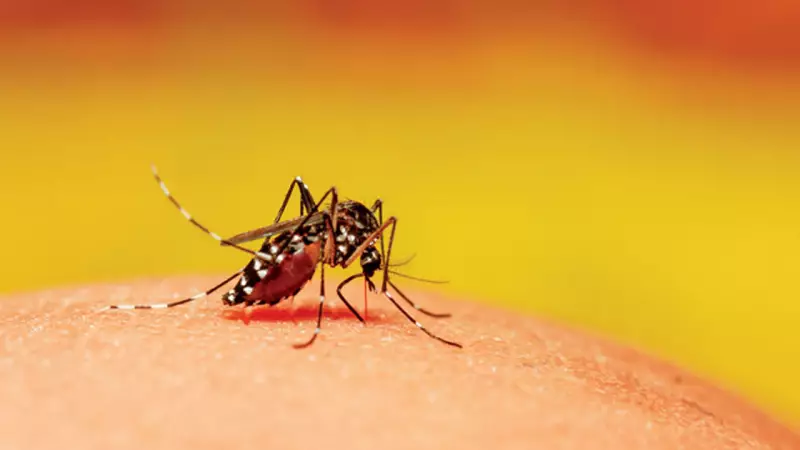
Dengue Fever, a viral illness transmitted by the Aedes mosquito, has been re-emerging in various parts of Nigeria, prompting heightened monitoring by health authorities.
This incident recalls the Nigeria Centre for Disease Control and Prevention (NCDC) investigation into a strange illness in parts of Sokoto State back in April 2024. The NCDC was notified by the state on March 21, 2024, and subsequently deployed a National Rapid Response Team to collaborate with the Sokoto Ministry of Health.
At that time, the Director-General of the NCDC, Dr. Jide Idris, reported that most cases were children aged 4 to 13, alongside some adults. The symptoms included abdominal distension due to fluid, fever, vomiting, and weight loss, primarily from Isa Local Council. A total of 164 suspected cases and four deaths were reported across settlements like Isa Bargaja, Isa North, Isa South, Tozai, Tsabre, and Turba. A similar unexplained illness was also documented in the state in 2023.
Commissioner Abubakar commended the dedication of healthcare workers and encouraged continued vigilance and full cooperation with public health authorities to manage and report cases promptly, safeguarding the health of all residents.