
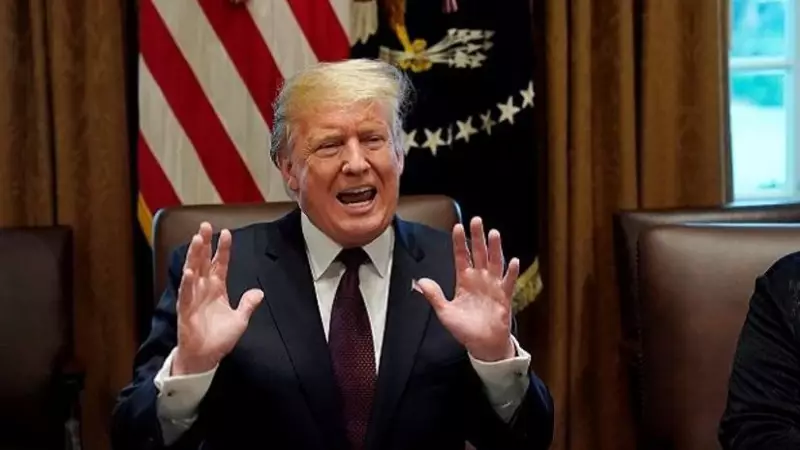
United States President Donald Trump has launched fresh criticism against Ukraine, accusing the country's leadership of showing "zero gratitude" for Washington's support during Russia's ongoing invasion. The comments came during crucial peace negotiations in Geneva aimed at ending the nearly four-year conflict.
Trump's Social Media Outburst Amid Critical Negotiations
On Sunday, President Trump took to his Truth Social platform to express his frustration with Ukrainian officials. "UKRAINE 'LEADERSHIP' HAS EXPRESSED ZERO GRATITUDE FOR OUR EFFORTS," Trump wrote in his characteristic capital letters style. The US leader also targeted European nations for not contributing enough to stop the war, while notably avoiding direct condemnation of Moscow's actions.
The timing of Trump's comments coincided with high-stakes meetings in Geneva between US Secretary of State Marco Rubio and top Ukrainian officials. The discussions focused on Trump's controversial 28-point peace proposal that has drawn mixed reactions from international stakeholders.
Geneva Talks: Progress Amid Tensions
In the snowy Swiss city, the Ukrainian delegation led by Andriy Yermak engaged in detailed discussions about the American peace plan. According to an unnamed US official who spoke with AFP, multiple meetings occurred throughout Sunday, with negotiations described as "productive and even conclusive in some areas."
The talks extended to include representatives from Britain, France, and Germany, as European countries sought to ensure their voices were heard in the peace process. A second round of discussions at the US mission in Geneva aimed at "ironing out the details of the agreement."
By late Sunday afternoon, Ukrainian negotiator Rustem Umerov indicated that the latest version of the US draft plan "already reflects most of Ukraine's key priorities." Ukrainian President Volodymyr Zelensky also expressed optimism on social media, noting that "American proposals may include a number of elements based on Ukrainian perspectives and critical for Ukrainian national interests."
Controversial Demands and European Concerns
The Trump administration had given Ukraine until November 27 to approve the peace plan, but Kyiv has requested modifications to a draft that currently accepts several of Russia's hardline demands. The controversial provisions include:
- Ukraine ceding territory to Russia
- Reducing the size of its military forces
- Pledging never to join NATO
German Chancellor Friedrich Merz expressed skepticism about reaching a deal by the deadline, telling reporters on Sunday that he remained doubtful about the timeline.
European leaders have raised concerns about being excluded from the initial drafting process. EU chief Ursula von der Leyen emphasized that "Ukraine must have the freedom and sovereign right to choose its own destiny" and stressed that the European Union's role must be "fully reflected" in any final agreement.
At the G20 summit in South Africa, Ukraine's European allies indicated that the US plan requires "additional work." French President Emmanuel Macron noted that certain elements concerning Ukraine's NATO relations and frozen Russian assets in the EU needed broader discussion among European partners.
Questions About Russian Influence
The peace proposal has faced scrutiny over potential Russian influence in its creation. The blueprint received immediate praise from the Kremlin, with Russian President Vladimir Putin stating it could "lay the foundation" for a final settlement. However, Putin also threatened further land seizures if Ukraine walked away from negotiations.
Washington has firmly denied claims by US senators that Secretary Rubio described the document as a Russian "wish list." Rubio himself took to social media late Saturday to clarify that "the peace proposal was authored by the US" and incorporated input from both Russian and Ukrainian sides.
Polish Prime Minister Donald Tusk summarized the concerns of many European leaders, stating that while they were ready to work on the 28-point plan, "it would be good to know for sure who is the author of the plan and where was it created."
As diplomatic efforts continue, President Trump told reporters on Saturday that the current proposal was not his final offer and expressed his determination to stop the fighting "one way or the other," offering some hope that Kyiv's position might be strengthened in future negotiations.




