
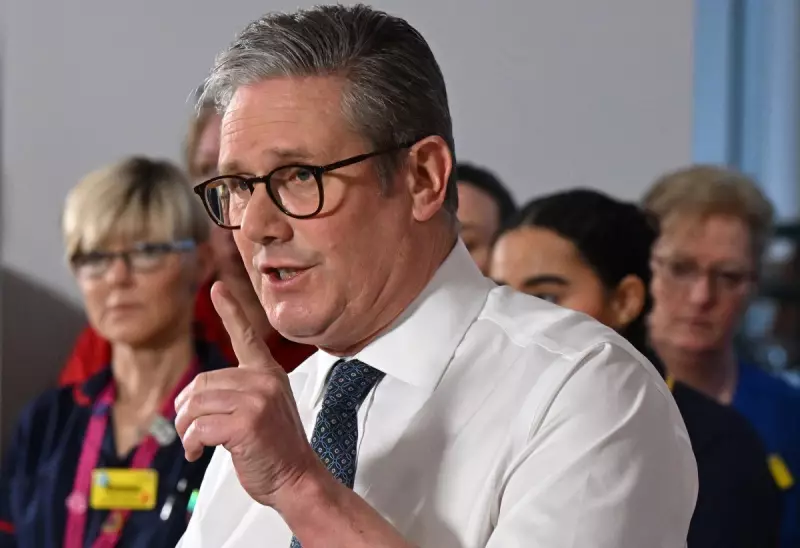
Britain's Home Secretary has publicly defended a radical new plan to overhaul the country's asylum system, which includes ending automatic benefits for refugees and drastically reducing the length of their protected status. The government insists these measures are a 'moral mission' to address an immigration system it claims is 'tearing our country apart'. The reforms, set to be one of the largest in modern times, are modelled on Denmark's strict policies.
Key Changes to the UK Asylum System
The Home Office, led by Home Secretary Shabana Mahmood, announced a series of sweeping changes. Currently, individuals granted refugee status receive it for five years, after which they can apply for indefinite leave to remain. Under the new plan, this initial status will be slashed to just 30 months.
This shorter status will be subject to regular reviews, and refugees will be required to return to their home countries once those nations are deemed safe. Furthermore, the path to long-term settlement will be significantly extended. Refugees will now have to wait 20 years before applying for the right to live in the UK permanently, a substantial increase from the current five-year requirement.
In a major shift, the statutory legal duty to provide support to asylum seekers, established under a 2005 law, will be revoked. This means housing and weekly financial allowances will no longer be guaranteed. Instead, support will become discretionary, allowing the government to deny assistance to asylum seekers who are deemed able to work but refuse, or those who commit crimes.
Political Pressure and Criticism
The reforms come as Prime Minister Keir Starmer's Labour government faces immense political pressure. The issue of migrants crossing the English Channel in small boats from northern France has been a persistent challenge. Official figures show asylum claims in Britain are at a record high, with approximately 111,000 applications made in the year to June 2025. More than 39,000 people have arrived via these dangerous crossings this year alone.
This situation has fuelled support for the anti-immigrant Reform UK party, which has led Labour by double-digit margins in opinion polls for much of the year. In an interview with BBC television, Home Secretary Mahmood rejected the notion that tackling this problem was engaging in 'far-right talking points'.
However, the proposals have faced swift criticism. The Refugee Council charity labelled them as 'harsh and unnecessary'. The group's chief executive, Enver Solomon, urged the government to reconsider, stating the plans 'will not deter' the Channel crossings and that refugees who contribute to Britain should be able to build secure lives.
The reforms are also likely to face opposition from left-wing lawmakers within Starmer's own party, who fear Labour is losing progressive voters to alternatives like the Greens. The government, however, is pushing forward, with Mahmood set to lay out the full details in parliament on Monday, marking a pivotal moment for the UK's immigration policy.




