
Ukrainian officials are intensifying pressure on their European allies to make a crucial political decision next month concerning a massive $163-billion loan. This proposed financial lifeline, which would be backed by Russian state assets frozen by the West, is deemed essential for Kyiv to cover its looming wartime budget shortfalls.
Urgent Budgetary Needs and Political Deadlines
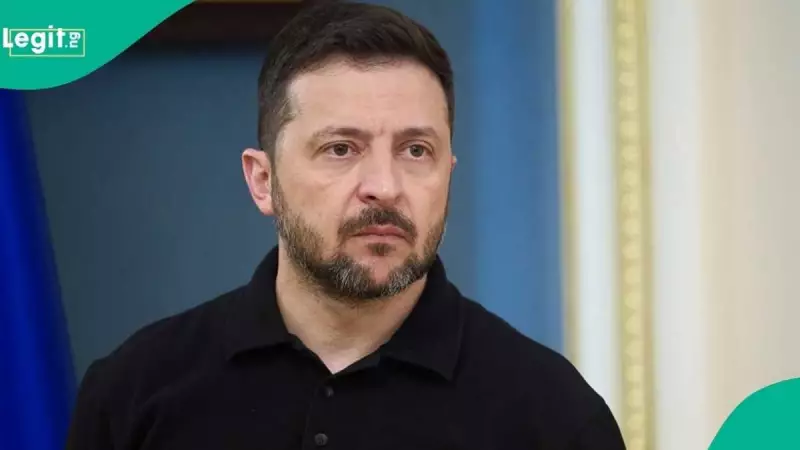
According to senior officials in President Volodymyr Zelenskiy's administration, Ukraine is confronting a severe budget gap expected in 2026. Without new European assistance, the nation risks depleting its funds as early as the first quarter of next year. This urgency is compounded by the uncertain prospect of direct aid from the United States under the administration of President Donald Trump, making European support more critical than ever.
The upcoming EU summit on December 18 has been highlighted by Kyiv as the final opportunity this year for European leaders to act. While a full technical agreement is not anticipated by that date, Ukrainian authorities insist that the fundamental architecture for issuing the so-called "Reparations Loan" must be established.
Kyiv's Call for Joint Decision-Making
Iryna Mudra, a top legal adviser to President Zelenskiy, emphasized the need for a collaborative approach. She stated that Ukraine expects its European partners to clearly define the structure and governance for providing the funds. More importantly, Mudra stressed that Ukraine must be directly involved in decisions on how the money is allocated and prioritized.
"Without Ukraine's direct involvement, assistance risks becoming ineffective only because we know the real needs on the ground," Mudra explained in an interview. "But the decision should be taken together with our partners, definitely." This push for joint governance underscores Kyiv's desire to ensure that financial aid effectively addresses the most pressing needs arising from the ongoing conflict.
EU Divisions and Alternative Financing Options
The proposal, however, faces significant hurdles. European leaders remain divided on the plan to use frozen Russian assets for the loan, a point of contention that prevented an agreement during their last meeting. Belgium has been a notable voice raising concerns about the mechanism.
In a recent development, European Commission President Ursula von der Leyen outlined three potential financing options for Ukraine in a letter to European governments. These include the proposed $163-billion loan, direct grants from EU member states, and the bloc borrowing on international markets. Von der Leyen suggested that a combination of these approaches is also feasible. The document estimates Ukraine's remaining financial needs for 2026-2027 at 135.7 billion euros, approximately $157.37 billion.
As the debate continues, Russia has issued a stark warning, threatening a "painful response" if any move is made to release the loan derived from its frozen assets. This sets the stage for a high-stakes diplomatic showdown at the December summit.




