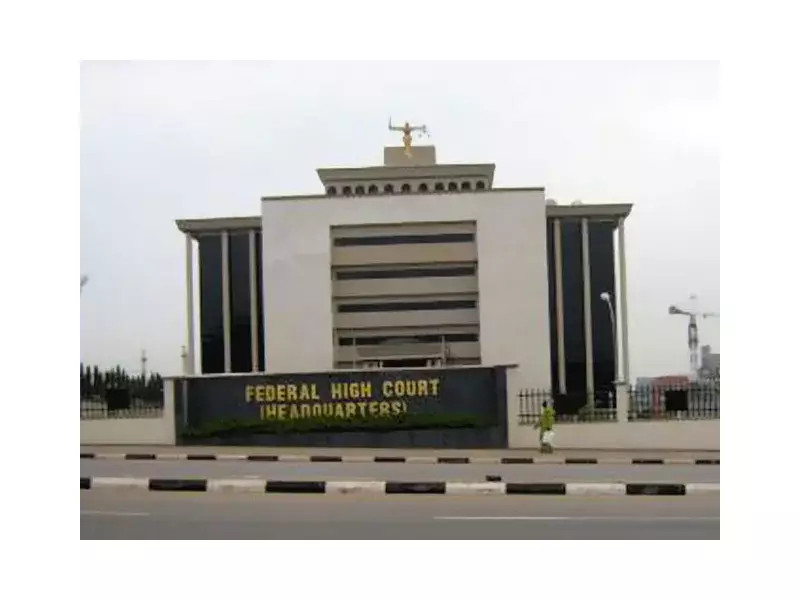
A Federal High Court in Abuja has taken a significant step forward in the long-running trial of five suspected masterminds behind the deadly 2011 bombing of the United Nations complex in Nigeria's capital.
Video Evidence Admitted in Court
Presiding Judge Justice Emeka Nwite ruled on Friday to admit three video clips provided by the Department of State Services (DSS) as evidence. This decision comes as part of a trial-within-trial to determine whether the defendants made their extra-judicial statements under duress, as they have claimed.
The court has scheduled December 5, 2025 for the continuation of proceedings, during which the video evidence will be played back in the courtroom. This process will help establish the truth behind the defendants' allegations that they were coerced into making statements while in DSS custody.
Background of the Attack and Defendants
The five terror suspects, led by Khalid Al-Barnawi, stand accused of orchestrating the August 26, 2011 bombing of the United Nations Complex in Abuja. The devastating attack resulted in at least 20 fatalities and left more than 70 people injured.
Al-Barnawi, captured in 2016, faces trial alongside four co-defendants: Mohammed Bashir Saleh, Umar Mohammed Bello (also known as Datti), Mohammed Salisu, and Yakubu Nuhu (aka Bello Maishayi).
The trial has experienced numerous delays over the years due to various legal and procedural challenges raised by the defense, including occasions when the suspects appeared in court without legal representation.
Push for Accelerated Hearing
The pace of the trial changed significantly following the appointment of Mr. Oluwatosin Ajayi as Director General of the DSS. The new DG has insisted on speedy trials for all suspects, both those inherited from previous administrations and those arrested during his tenure.
The DSS recently filed a request for accelerated hearing in the case, which Justice Nwite granted. This aligns with similar approvals given to other judges handling DSS cases against terror suspects, including those involved in the Yelwata and Benue massacres.
Following the playback of the first defendant's video clip, the court set December 5 as the date to begin reviewing video evidence related to the remaining defendants.
Related Terrorism Case Advances
In a separate but related development on the same day, Justice Nwite also admitted extra-judicial statements from three individuals charged by the DSS for alleged espionage activities.
Haruna Ali Abbas, Ibrahim Hussaini Musa, and Adam Sulaiman are accused of spying on US and Israeli interests for individuals in Iran. Their case, ongoing since 2014 and reassigned multiple times, also underwent a trial-within-trial in August 2025 to determine whether their statements were made voluntarily.
While the defendants claimed coercion, harassment, and intimidation during their time in DSS custody, the prosecution maintained that the statements were given voluntarily after the accused persons read through them, understood the cautionary words, and signed willingly.
After hearing testimony from three prosecution witnesses who described operating within standard procedures and ensuring suspect welfare, and considering the defendants' accounts of alleged torture, Justice Nwite ruled to admit the statements as evidence. The judge found that the prosecution had sufficiently demonstrated that the statements were not made under duress.
The court has adjourned this matter to January 22, 2026 for substantive hearing.