
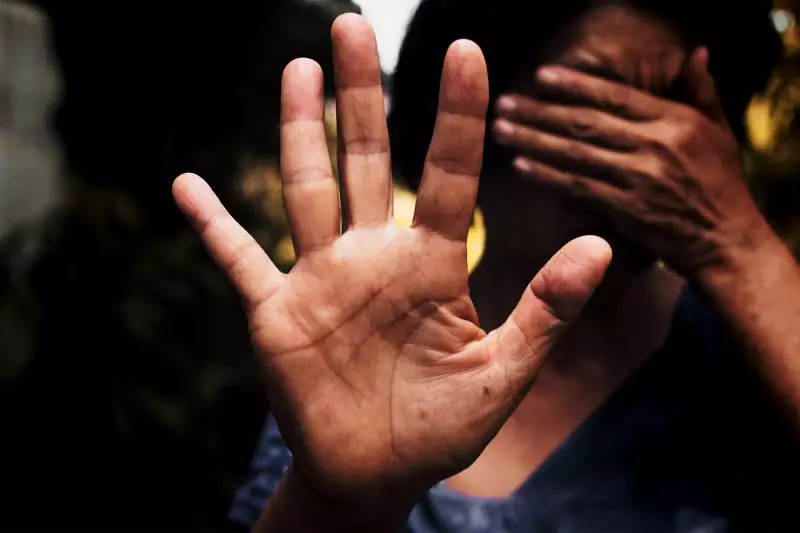
The world marked a significant milestone yesterday as nations globally observed the International Day for the Elimination of Violence Against Women. This United Nations-established day confronts the persistent harm, inequality, and injustice that women and girls face across all societies.
The Growing Threat of Digital Violence
This year's global theme, "End digital violence against all women and girls," highlights an escalating danger that has quietly infiltrated online spaces. What should serve as an empowering tool for women has instead become a source of fear, harm, and intimidation for millions.
Toyin Omozuwa, Founder of the Women Supporting Women Network, emphasizes the urgency of this crisis. "Digital violence is now one of the fastest growing forms of abuse," she states. Women and girls increasingly face multiple forms of digital exploitation including:
- Non-consensual sharing of intimate images
- Cyberbullying and sexual harassment
- Trolling and hate speech
- Deepfake manipulation and doxxing
- Online stalking and impersonation
- Grooming and other digital exploitation
Real Consequences of Virtual Abuse
While these harmful acts originate on screens, their impact extends deeply into real life. Survivors often suffer emotional trauma, reputational damage, financial losses, physical violence, and in extreme cases, death. Digital violence is not virtual—it is real, damaging, and growing.
Omozuwa makes it clear that no excuses justify online abuse—not culture, technology, silence, or the anonymity of abusers. Nigeria cannot afford to ignore this escalating crisis, as every woman using a phone or computer faces potential exposure.
Call to Action for Nigeria
The Women Supporting Women Network founder issues specific demands to various stakeholders. She calls on the Nigerian Government to:
- Pass and enforce laws criminalizing all digital violence forms
- Strengthen data protection and safeguard personal information
- Provide accessible reporting channels ensuring survivors receive justice without fear
Technology companies must prioritize platform safety for women and girls, remove harmful content consistently, and publish transparent safety reports while enforcing community standards.
Omozuwa also urges donors and partners to invest in women-led organizations defending digital rights and supporting survivors. She calls on individuals to speak out, challenge harmful online norms, support survivors, and refuse to tolerate abuse in any form.
This global day initiates the annual 16 Days of Activism Against Gender-Based Violence, a worldwide movement uniting governments, communities, and organizations to challenge all violence forms limiting women's and girls' dignity and safety.
To every woman and girl facing digital abuse, Omozuwa offers reassurance: "You are not to blame. You are not invisible. You are not alone. We see you. We believe you. We stand with you."
The safe digital world women deserve won't appear by chance but through collective action, courage, and accountability. These 16 days of activism remind us that violence isn't inevitable—it can be prevented, punished, and stopped.
Omozuwa concludes with a powerful message: "There is no excuse for online abuse. Let us act to end violence, both online and offline."




