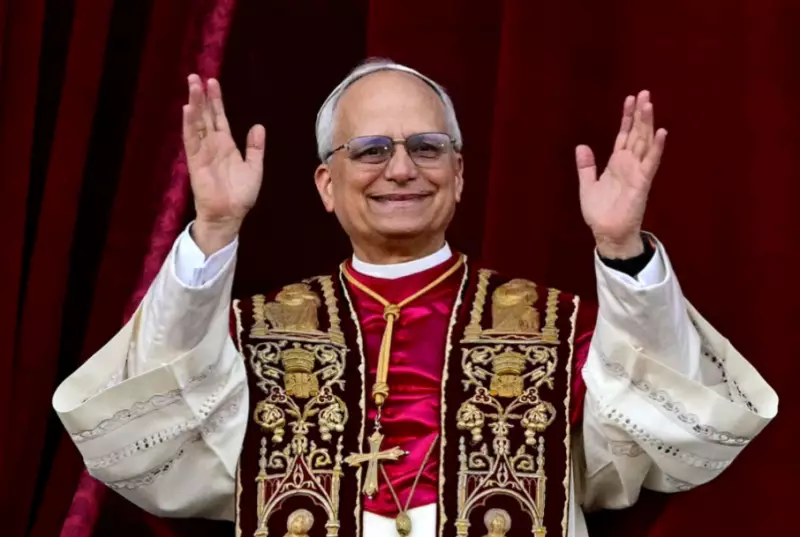
Pope Expresses Concern Over Christian Persecution in Nigeria
The leader of the Roman Catholic Church, Pope Leo XIV, has officially identified Nigeria as one of several countries where Christian communities face systematic discrimination and violent persecution. The pontiff made this significant declaration through his official X account on Sunday, November 16, expressing deep concern about the frequent attacks targeting Christian worshippers and their places of worship across multiple nations.
Global Call for Prayer and Solidarity
In his heartfelt message, Pope Leo XIV specifically mentioned Bangladesh, Nigeria, Mozambique, Sudan, and other countries where reports of violence against Christian communities regularly emerge. He emphasized that "God is a merciful Father who desires peace among all His children!" and called for unified prayers among believers worldwide.
The religious leader also extended his prayers to families affected by recent massacres in Kivu, Democratic Republic of Congo, where numerous civilians lost their lives. He urged all believers to work collectively toward ending violence and promoting the common good through peaceful means.
International Echo and Government Response
This statement from the Vatican aligns with previous concerns raised by international bodies, including the United States government. Former US President Donald Trump had previously re-designated Nigeria as a "country of particular concern" (CPC) due to documented incidents of religious persecution.
However, the Nigerian federal government has consistently rejected this classification. Official statements from Abuja maintain that Nigeria remains a secular state that does not support or condone genocide or targeted violence against any religious group. Government representatives have repeatedly affirmed the country's commitment to protecting all citizens regardless of their faith.
The Pope's intervention highlights growing international attention to religious freedom issues in Nigeria, where intercommunal violence and attacks on worship centers have raised concerns among human rights organizations and religious leaders worldwide.