Italian authorities have launched a shocking investigation into allegations that wealthy tourists from Italy paid substantial amounts to participate in what prosecutors are calling "human safaris" during the Bosnian War.
The Disturbing Allegations
According to court documents from Milan, multiple suspects with connections to far-right circles allegedly paid approximately £70,000 each to the Bosnian Serb army for weekend hunting trips during the 1990s conflict. These wealthy Italian tourists reportedly traveled from Italy to Sarajevo specifically to take sniper positions on rooftops overlooking the city.
From these vantage points, they allegedly opened fire on innocent civilians trapped in the besieged Bosnian capital. Even more disturbingly, investigators claim participants could pay additional fees if they specifically wanted to target children during these horrific excursions.
Sniper Alley's Dark History
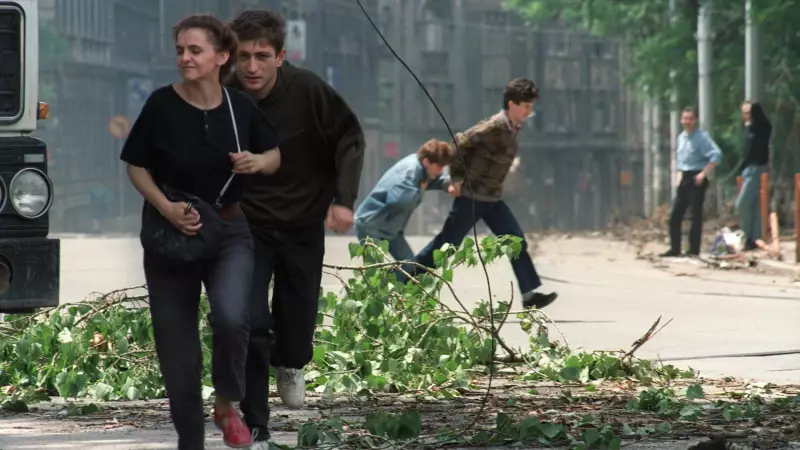
During the height of the siege, two of Sarajevo's main roads - Ulica Zmaja od Bosne and Meša Selimović Boulevard - became notoriously known as "Sniper Alley." Residents faced daily life-or-death situations, forced to sprint across open streets to find basic necessities like food and water while marksmen shot from surrounding hills.
Milan-based journalist Ezio Gavazzeni described the accused as "wealthy men, businessmen with reputations, who during the siege paid to kill unarmed civilians." He added that these individuals would "leave Trieste for a manhunt and then return to their respectable daily lives."
Widening Investigation and International Response
Authorities in both Bosnia and Italy now believe more than 100 individuals may have participated in these sniper "tours." The investigation is expanding, with some participants expected to be called to testify soon.
Bosnian intelligence sources have reportedly gathered evidence placing Italian nationals in sniper positions around Sarajevo during the war years. The Bosnian consul in Milan, Dag Dumrukcic, emphasized his government's commitment to uncovering the truth, stating: "We are eager to settle accounts with the past. I am aware of information that I will contribute to the investigation."
The four-year siege of Sarajevo lasted from 1992 to 1996, during which the city's water, gas, and electricity supplies were completely cut off. Residents endured desperate conditions under constant bombardment, making this conflict one of the darkest chapters of the Bosnian War.
By the time the siege ended in 1995, an estimated 13,952 people had been killed, including 5,434 civilians. Former Bosnian Serb leaders Radovan Karadzic and Stanislav Galic received life sentences for war crimes and crimes against humanity related to orchestrating the siege.
The Milan inquiry aims to deliver long-delayed justice to victims of what remains one of Europe's most haunting modern atrocities, more than three decades after the siege began.