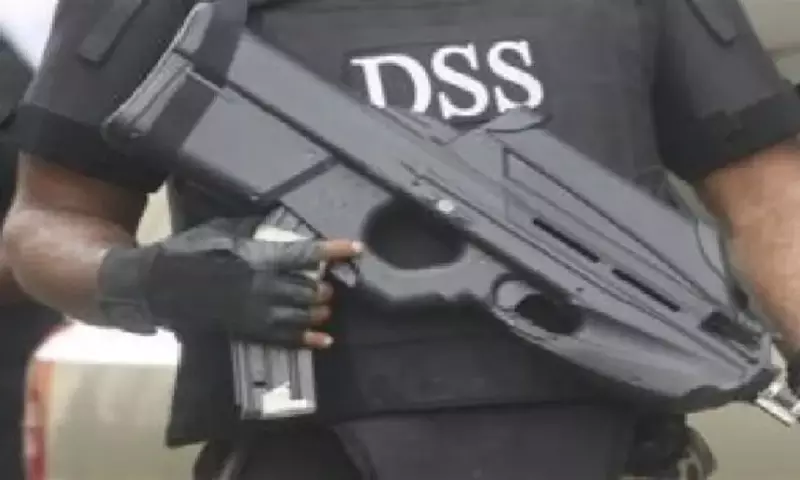
The Department of State Services (DSS) has initiated legal proceedings against a young man from Rivers State for allegedly using social media to call for a military takeover of the Nigerian government.
Legal Action Against Coup Advocacy
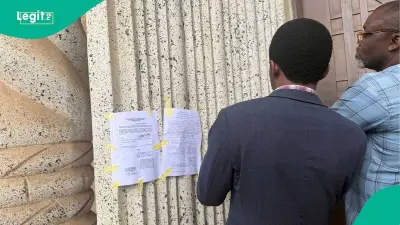
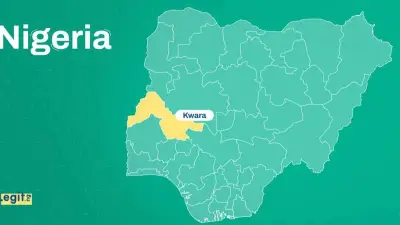
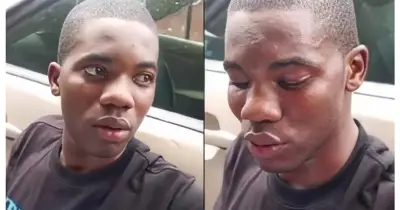
On Tuesday, November 11, 2025, the DSS filed a six-count criminal charge at the Federal High Court in Abuja against 27-year-old Innocent Onukwume. The security agency accuses the Oyigbo Local Government Area resident of advocating for a coup during October of this year.
The case, documented as FHC/ABJ/CR/610/2025, was formally submitted by DSS lawyer A. M. Danalami. Court documents indicate that Onukwume, who resides at Umusayo Layout in Rivers State, allegedly committed the offense that has drawn serious legal consequences.
Social Media Post Under Scrutiny
According to the charges, Onukwume used his verified X account (formerly Twitter) with the handle @theagroman to publish inflammatory content. The specific post cited in court documents read: "A coup in Nigeria is needed. Dispose of APC, suspend the Nigeria government and join the AES. That is all we need now."
The DSS contends that this social media activity occurred in October 2025 and was intended to cause public fear, alarm, and disturb the peace. The security service has characterized these actions as violations of Nigeria's cybercrime legislation.
Legal Framework and Potential Consequences
The charges against Onukwume reference multiple legal statutes, including the Cybercrimes (Prohibition, Prevention, etc.) Act of 2024 in its amended form. The first count specifically cites Section 59(1) of the Criminal Code Act, Cap 77, Laws of the Federation of Nigeria, 2004.
As the sole defendant in this case, Innocent Onukwume could face arraignment within the current week. The DSS's decision to pursue this case through formal legal channels underscores the government's increasing focus on monitoring and regulating online content that threatens national security.
This development occurs amid ongoing national conversations about freedom of expression boundaries and the legal consequences of inflammatory social media posts in Nigeria's digital landscape.