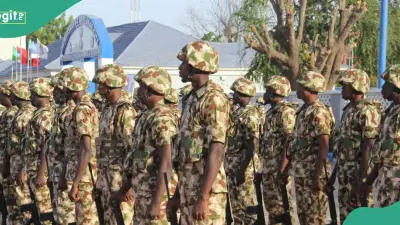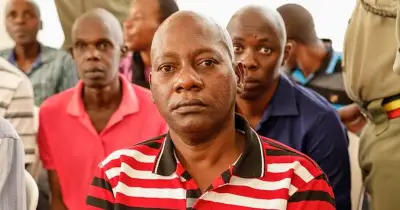
A Nigerian military affairs commentator has provided detailed explanations addressing public concerns about why Naval Officer A.M. Yerima was seen guarding a parcel of land in Abuja rather than being deployed to conflict zones in the country.
Understanding Military Deployment Strategies
Ifeanyi Ifebi Emmanuel, who shared his insights on Facebook, emphasized that no military organization deploys all its combat forces to conflict areas simultaneously. He explained that maintaining reserve forces is standard military practice, especially when dealing with multiple security threats across different regions.
According to Emmanuel's analysis published on November 17, 2025, military personnel undergo regular rotations that include periods of combat deployment, training, and rest. His post responded directly to Nigerians questioning why a combat-trained officer like Yerima would be assigned to what appeared to be a less critical security duty in the nation's capital.
Career Development in Military Service
The military expert elaborated on the importance of varied assignments for officer development. Officers must balance command positions with staff appointments to build comprehensive military experience and qualify for promotions.
Emmanuel provided concrete examples to support his explanation: "I know a Lieutenant Colonel who spent up to three years fighting bandits in the north as a commanding officer of a battalion. From there he was given a staff appointment at Army headquarters before being sent for further training abroad."
He further noted that combat-hardened officers regularly transition between field commands and administrative roles, with Yerima's Abuja assignment representing a normal part of this rotational system.
Combat Experience Across Military Units
Emmanuel assured concerned citizens that virtually all infantry battalions in the Nigerian military have combat experience against insurgents and bandits. He emphasized that personnel serve tours of duty in conflict zones before being rotated back to other locations.
The military analyst confirmed that Yerima had previously served on naval ships and could be deployed to conflict areas like Lake Chad in the future. His current assignment in Abuja doesn't indicate permanent removal from combat roles but rather reflects the military's strategic distribution of personnel across the country.
Emmanuel concluded that maintaining military presence in all regions while specific units engage terrorists represents standard operational procedure for armed forces worldwide.