
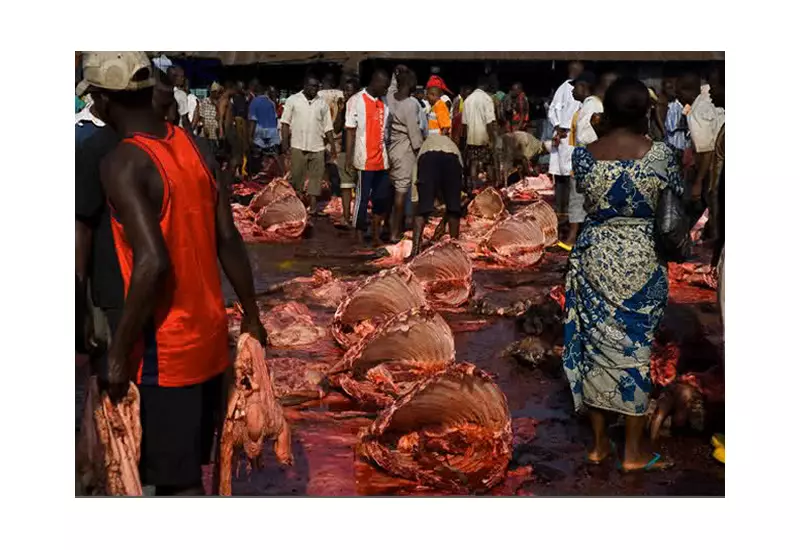
A significant transformation is sweeping through slaughterhouses in Taraba State, driven by a recent capacity-building initiative. The Taraba State Livestock Productivity and Resilience Support project, known as L-PRES, has successfully conducted a three-day training program focused on modern and hygienic meat-handling protocols for butchers, meat sellers, and processors.
Visible Changes in Abattoirs
During recent observations, slaughterhouses across the state showed marked improvements. Facilities were noticeably cleaner, work areas more orderly, and butchers demonstrated a more deliberate and careful approach to handling meat. This shift is a direct outcome of the L-PRES training held in November 2025, which equipped participants with knowledge on regulatory standards and hygienic practices.
For years, unsafe meat handling posed serious health risks to consumers and led to financial losses within the livestock value chain. Now, butchers report working round the clock to prevent cross-contamination and ensure the meat that reaches the market is safe for consumption.
Butchers and Leaders Applaud the Initiative
James Habila, the Secretary of the Taraba State Butchers Association, confirmed the positive impact. "The knowledge we acquired during the training has started to reflect positively on our businesses," he stated. "We now understand proper handling and storage of meat and meat products. Cleanliness and sanitation in our slaughter slabs have improved greatly."
Habila emphasized that butchers are now more conscious of personal hygiene and are better equipped to implement protocols that drastically reduce contamination risks.
The positive feedback is consistent across local government areas. In Zing, the local butchers’ association chairman, Mohammadu Saforo Dan’Arewa, praised L-PRES for including butchers in its programs. He noted that the initiative has fostered a new culture of responsibility and professionalism among meat handlers.
Similarly, in Ardo-Kola, the chairman Ibrahim James urged the L-PRES team to continue the capacity-building efforts, describing the knowledge as "essential" for protecting consumer health.
A Sustainable Future for Livestock and Consumers
Meat sellers and processors who participated in the training echoed these sentiments, calling the program timely and transformational. They reported that improved handling practices have not only elevated their work but also increased customer confidence.
For the L-PRES project, which aims to enhance livestock productivity and resilience, these early signs of progress indicate that its investment in human capital is yielding tangible results.
When contacted for comment, the L-PRES State Coordinator, Mr. Hananiah G. Albert, affirmed the commitment to the program's sustainability. He stated that his team, in collaboration with the State Ministry of Agriculture and Food Security and the state government, will leave no stone unturned to maintain the momentum.
As these reforms take root, Taraba State is moving towards a new era where safer meat and healthier markets become the standard, one slab at a time.




