
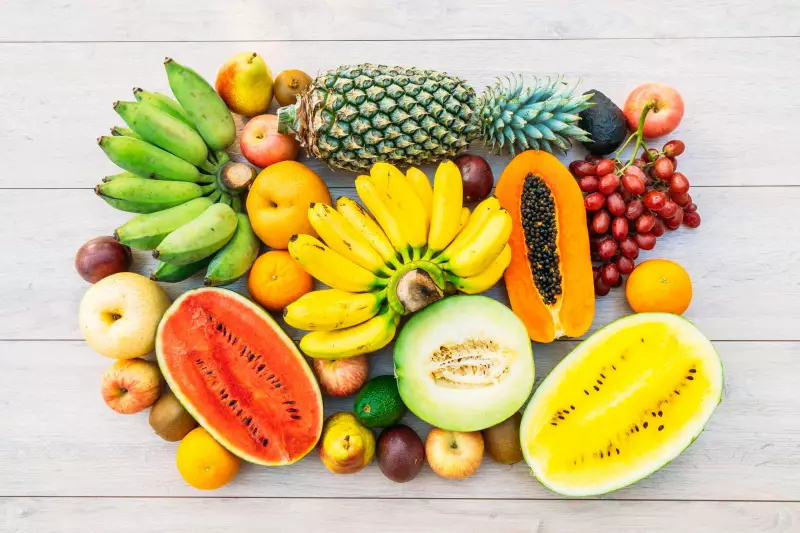
The Taraba State Government has issued a serious public health warning, urging citizens to be extremely cautious of fruits being artificially ripened with dangerous chemicals. The alarm was raised by the State Commissioner for Agriculture and Food Security, Professor Nicholas Namessan Oliver.
‘Merchants of Death’ Endangering Public Health
In a strongly-worded statement released on Friday in Jalingo, the state capital, Professor Oliver did not mince words, branding individuals involved in this practice as "merchants of death." He revealed that the ministry's investigations have uncovered the widespread use of calcium carbide to force-ripen popular fruits like bananas, oranges, mangoes, and avocados.
The commissioner provided a chilling breakdown of the health dangers. He explained that calcium carbide contains hazardous impurities, including arsenic, lead, and phosphorus. Consumption of fruits contaminated with these substances poses severe health risks.
Cancer, Organ Failure Among Grave Dangers
Professor Oliver detailed that fruits forced to ripen with this chemical not only lose their natural nutrients but can become toxic. He explicitly linked consumption to an increased risk of cancer and other life-threatening conditions affecting vital organs like the heart, kidney, and liver.
Beyond the dire health implications, the commissioner pointed out that chemically ripened fruits are also inferior in quality. They suffer significant losses in their natural colour, taste, and aroma, making them a poor substitute for naturally matured produce.
The ministry has issued a stern warning that anyone caught engaging in this illegal practice in Taraba State will face prosecution according to the full extent of the law.
A Positive Shift in Meat Handling
In a contrasting but related development focused on public food safety, a positive transformation is being witnessed in slaughterhouses across Taraba State. This change is driven by the Taraba State Livestock Productivity and Resilience Support (L-PRES) project.
The project, which aimed to equip butchers and meat sellers with modern, hygienic skills, is now showing clear results. During visits to several facilities, correspondents observed cleaner facilities and more orderly work areas. Butchers were seen handling meat with greater care and deliberation.
This shift is attributed to a recent three-day capacity-building training on hygienic meat-handling protocols and regulatory standards organized by L-PRES.
James Habila, the Secretary of the Taraba State Butchers Association, confirmed the impact. "We are beginning to see the impact already," he said. "The knowledge we acquired has started to reflect positively on our businesses. Cleanliness and sanitation in our slaughter slabs have improved greatly."
He added that butchers are now more conscious of personal hygiene and are better equipped to prevent cross-contamination, ensuring safer meat reaches the market.
Echoing this sentiment, Mohammadu Saforo Dan'Arewa, the chairman of the local butchers' association in Zing Local Government Council, praised L-PRES for actively involving butchers in its programs.




