Nigeria's Multi-Billion Naira Drain in Maritime Sector
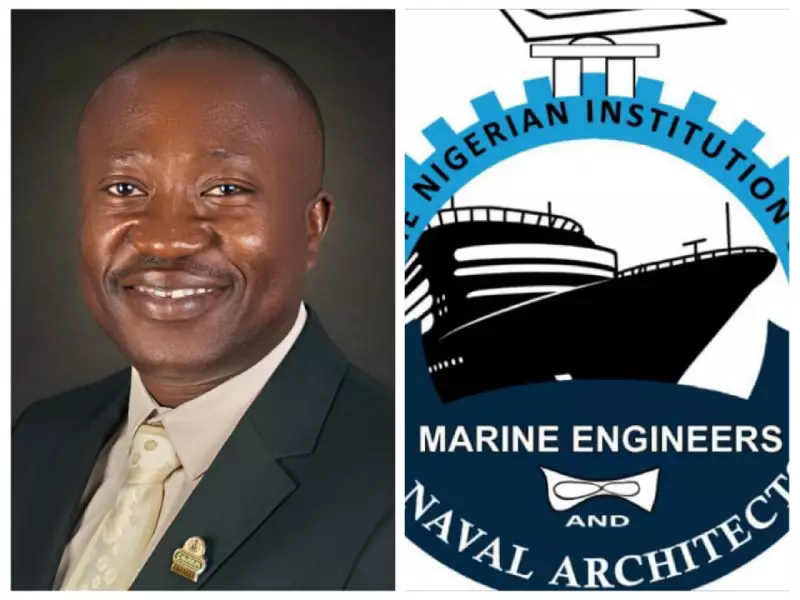
The newly elected Chairman of the Nigerian Institution of Marine Engineers and Naval Architects (NIMENA), Dr Eferebo Sylvanus, has raised alarm over Nigeria's massive financial losses due to dependence on foreign technical services in the maritime industry. The revelation came during a television appearance where the marine expert outlined the severe economic consequences of this reliance.
According to Dr Sylvanus, billions of Naira are lost annually to foreign experts who provide critical services including vessel classification, inspection, offshore engineering, and seafarer certification. This continuous outflow of funds represents a significant drain on the national economy that could be prevented through strategic investment in local capacity.
Path to Technical Sovereignty
Dr Sylvanus emphasized that local content is not merely a policy but a strategic national imperative. He described technical sovereignty as the new currency of power and stressed that Nigeria must deliberately build institutions and engineering capacity to achieve self-sufficiency.
To address this critical skills gap, NIMENA has been actively advocating for the establishment of an indigenous classification body. This initiative would position Nigerian engineers at the forefront of vessel design, safety assurance, and standards compliance, creating a self-reliant maritime ecosystem.
The NIMENA chairman outlined several key areas of focus:
- Promoting indigenous shipbuilding capabilities
- Expanding dry-docking capacity nationwide
- Enhancing offshore vessel support systems
- Developing modern research and development infrastructure
Empowering Nigeria's Next Generation
Dr Sylvanus described young marine engineers as Nigeria's priceless asset and the engine of the country's maritime future. He emphasized that they require exposure, structured training pathways, and modern R&D infrastructure to transform their creativity into commercially viable solutions.
NIMENA has already initiated partnerships with universities, maritime academies, shipyards, and private-sector innovators to enhance training programs. These collaborations focus on expanding:
- Simulation-based training methodologies
- Digital engineering competencies
- Computer-aided ship design capabilities
- Hands-on industrial experience opportunities
The institution is also advocating for improved sea-time access, updated training curricula, and certification pathways aligned with International Maritime Organization's STCW standards. These measures aim to create a globally competitive Nigerian seafaring workforce that can boost national revenue and enhance the country's global maritime presence.
Call for Regulatory Harmony
Dr Sylvanus stressed the urgent need for greater synergy among key maritime agencies, including NIMASA, NIWA, NPA, NCDMB, COREN, and the Standards Organisation of Nigeria. He noted that fragmented regulatory frameworks have been limiting growth and efficiency in the sector.
Strong maritime nations are built on strong institutions, Dr Sylvanus stated, emphasizing NIMENA's commitment to harmonizing standards, promoting compliance, and ensuring the sector speaks with one unified technical voice.
He concluded with a powerful statement: Nigeria cannot continue to import solutions for problems Nigerian engineers can solve. The country must invest in research, innovation, and marine technology startups that will define the future of Nigeria's blue economy and secure its technical sovereignty in the maritime domain.