
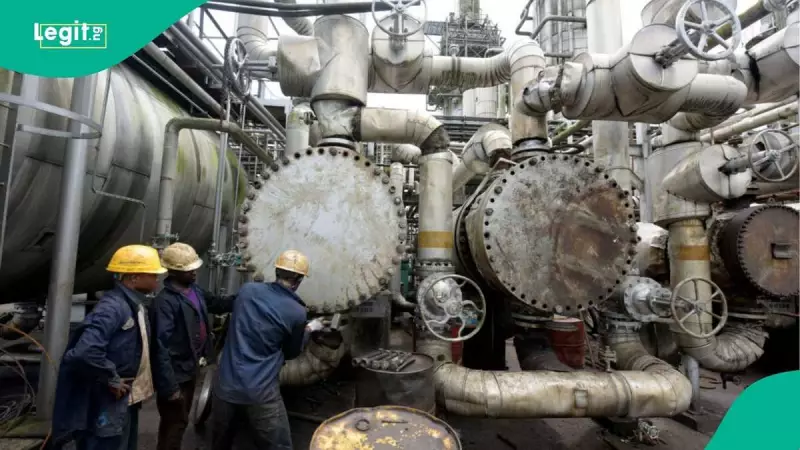
Local Refiners Struggle Against Import Competition
Nigerian petroleum refiners are facing significant challenges in competing against importers of petroleum products and securing adequate crude oil feedstock for their operations. The Crude Oil Refiners Association of Nigeria (CORAN) has publicly expressed these concerns following the federal government's recent reversal of the controversial 15% tariff on petroleum product imports.
Call for Government Intervention on Pricing Framework
In a statement signed by its publicity secretary, Eche Idoko, CORAN highlighted that the current "willing buyer, willing seller" system has created price distortions that disadvantage local refiners. The association is urgently requesting the government to establish a crude oil pricing framework that would enable its members to compete effectively while ensuring fair profits for crude oil producers.
The Petroleum Industry Act of 2021 provides for the Domestic Crude Supply Obligation (DCSO), which mandates upstream operators to supply specific quotas to domestic refineries. However, the act specifies that these transactions must occur through voluntary negotiations between buyers and sellers, a provision that CORAN argues is not working in practice.
Supply Challenges and Proposed Solutions
Beyond pricing issues, local refineries continue to face difficulties in obtaining sufficient feedstock. CORAN has called for strict enforcement of the DCSO and expansion of the Naira-for-Crude policy to include all operational refineries, not just those producing Premium Motor Spirit like the Dangote Refinery.
The association has also proposed several key solutions:
- Establishment of a Refinery Infrastructure Development Fund to support existing refineries and new investments
- Reduction of regulatory bottlenecks to attract more investors
- Consistent government engagement with industry stakeholders
CORAN's previous attempts to secure a structured pricing framework were rejected by the Nigeria Upstream Petroleum Regulatory Commission (NUPRC), which maintained that the willing buyer, willing seller arrangement aligns with global best practices. Engr. Gbenga Komolafe, NUPRC Chief Executive, emphasized the commission's commitment to improving Nigeria's crude oil production, which currently falls below its OPEC quota of 1.5 million barrels per day.
The federal government's suspension of the 15% import duty on petrol and diesel comes approximately two weeks after its initial announcement. The tariff had generated significant controversy amid price competition between the Dangote refinery and petroleum importers, with warnings of potential petrol price increases.




