
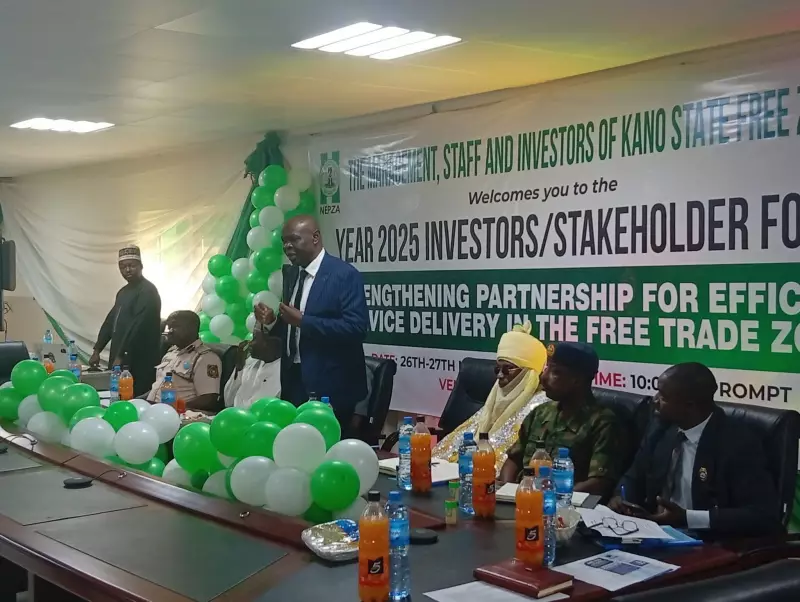
The Kano Free Trade Zone has achieved a significant financial milestone, reporting revenue generation of over N18.8 billion during the first ten months of 2025. This impressive figure was revealed during the 2025 Kano Free Trade Zone Investors and Stakeholders Forum held in Kano on Wednesday, November 27, 2025.
Breakdown of Revenue Contributions
According to Olufemi Ogunyemi, the Managing Director of the Nigeria Export Processing Zones Authority (NEPZA), the revenue was generated through coordinated activities between NEPZA and the Nigeria Customs Service. The detailed breakdown shows that NEPZA generated over N1.8 billion internally, while Customs revenue from the zone amounted to N17 billion.
Ogunyemi emphasized that these figures demonstrate the zone's expanding role in non-oil industrial activity. "The volume of investment within the zone continues to rise, and these achievements demonstrate its role in transforming Nigeria's economic landscape," he stated during the forum.
Enhanced Regulatory Cooperation
The two-day forum, themed "Strengthening Partnerships for Efficient Service Delivery in the Free Trade Zone," brought together investors, government officials, and regulatory agencies to review operations, compliance, and collaboration within the zone.
Richard Bassi, Head of the Kano Free Trade Zone, credited the zone's progress to the effective cooperation among NEPZA, NAFDAC, Customs, and other regulatory agencies. "Continued teamwork is essential for sustaining investor confidence and consolidating recent gains," he emphasized.
The forum also highlighted the success of the zone's "One Stop Shop" system, which integrates approvals from multiple regulatory bodies including Immigration, Customs, NAFDAC, and the Standards Organisation of Nigeria. This streamlined approach has been credited with increasing investor interest and improving revenue performance.
Focus on Quality Standards and Compliance
Kassim Ibrahim, Kano State Coordinator for the National Agency for Food and Drug Administration and Control (NAFDAC), stressed the critical importance of adhering to safety and quality standards in food and drug production. "Failure to meet standards does not just affect companies; it undermines NAFDAC and Nigeria's credibility in global markets," he warned.
Ibrahim added that the agency plans to conduct unannounced inspections to strengthen post-marketing surveillance, ensuring that products from the zone maintain international quality standards.
The discussions at the forum consistently highlighted ongoing efforts to diversify Nigeria's economy by expanding non-oil sectors, with the Kano Free Trade Zone emerging as a key driver in this economic transformation strategy.




