
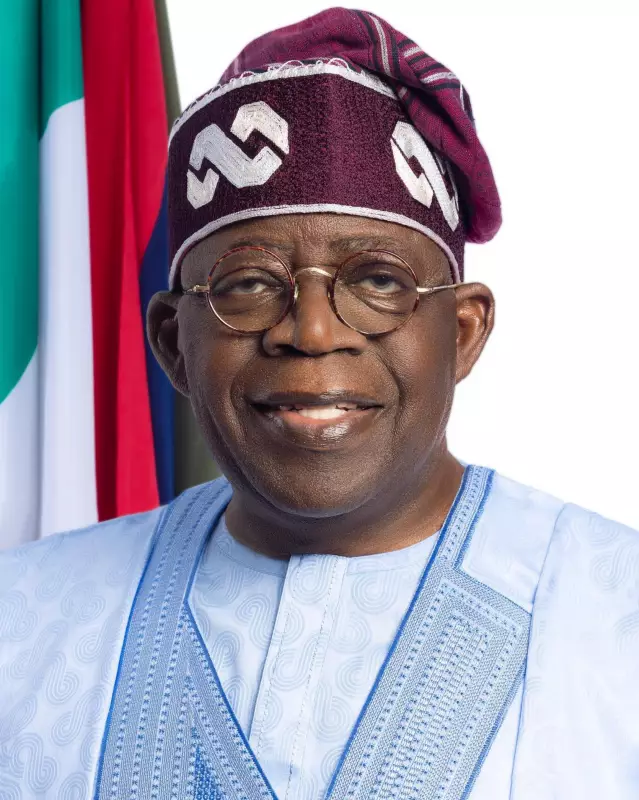
President Bola Tinubu has issued a powerful warning, stating that Africa's economic potential will remain stunted as long as the continent continues to operate with fragmented markets and inefficient borders. He declared that such disjointed systems prevent the continent from achieving industrial scale, negotiating effectively with major global powers, or withstanding external economic shocks.
A Continental Call for Action
Represented by Vice President Kashim Shettima at the opening of the Customs Pact, Partnership for African Cooperation in Trade (C-PACT) in Abuja on Monday, President Tinubu reaffirmed Nigeria's firm commitment to building an Africa where borders are facilitators of trade, investment, and economic opportunity, not barriers. He urged fellow African governments to demonstrate the necessary discipline to modernize their borders in line with the demands of a rapidly evolving technological age.
The President emphasized that the gathering of leaders and partners from across the continent signals a shared resolve to "discard the old habit of accepting slow borders as destiny." He pointed out that African nations are meant to complement one another, but their collective size, resources, and talent mean very little "if they are trapped behind inefficient borders and fragmented markets."
From Rhetoric to Real Systems and Measurable Outcomes
Tinubu stressed that Africa's prosperity is directly tied to deeper integration, which strengthens industrialization, collective bargaining power, and supply chain resilience. He made it clear that Nigeria is backing its commitments with tangible systems and infrastructure, not just words, because "a continental market can only be engineered, not declared."
While acknowledging the bold step taken through the African Continental Free Trade Area (AfCFTA), the President stated that the real test now lies in implementation. Success will be measured by real outcomes, not communiqués, including shorter border-crossing times, reliable local-currency settlements, and the efficient movement of goods across borders and ports. "Our vision must translate from conference halls to the daily experiences of traders, manufacturers, logistics operators, and farmers," he said.
Tinubu directly linked his administration's domestic economic reforms to this continental vision. These reforms are designed to eliminate trade and investment barriers, improve competitiveness, and strengthen institutions for regional integration. Key measures include:
- Unifying the foreign exchange windows
- Removing fuel subsidies to free up resources for critical infrastructure
- Modernizing ports for 24-hour cargo clearance
- Adopting the Pan-African Payment and Settlement System (PAPSS)
- Prioritizing non-oil export growth
Coordinated Efforts and Tangible Progress
The President highlighted the essential, coordinated work across key agencies like the Nigeria Customs Service, Nigerian Ports Authority, Central Bank of Nigeria, and the Standards Organisation of Nigeria. "No single agency can deliver the scale of reform required for Africa's prosperity," he noted.
He also cited measurable progress that signals a positive trajectory:
- Intra-African trade is projected to grow from 15% in 2023 to 25% by 2030 under AfCFTA.
- Nigeria's non-oil exports to other African markets saw a significant 38% increase in 2024.
- Cargo clearance times at major Nigerian seaports have been reduced by approximately 30% since 2023.
Looking forward, Tinubu identified the National Single Window as central to Nigeria's next-phase strategy. He disclosed that phase one will go live in March 2026, with a full rollout expected by December 2026. This platform is designed to allow businesses to submit import and export information through a single portal, automate data exchange between agencies, and cut clearance times from 21 days to under seven days.
The event also featured endorsements from other key figures. The Minister of Finance, Wale Edun, represented by Minister of State Doris Uzoka-Anite, urged continued efforts to dismantle trade barriers. The World Customs Organisation Secretary-General, Ian Saunders, commended Nigeria's reform strides, while Afreximbank Executive Vice President Kanayo Awani endorsed ongoing customs modernization across the continent. The Comptroller-General of Customs, Bashir Adewale Adeniyi, called for deeper cross-border collaboration, stating, "We cannot continue to work in silos."




