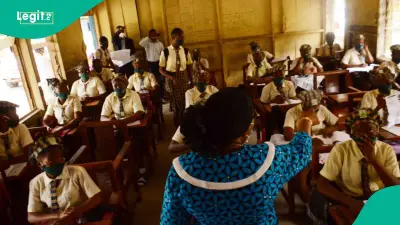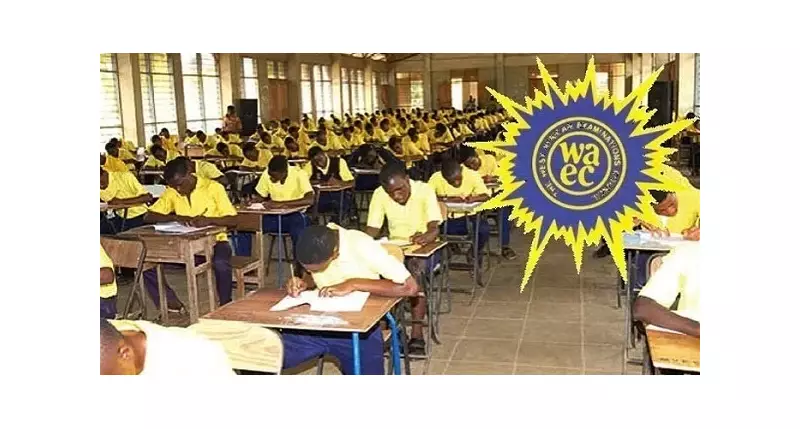
In a significant move for Nigeria's education sector, the House of Representatives has intervened to suspend the planned Computer-Based Test (CBT) mode for the West African Examinations Council (WAEC) examinations. This decision, made during plenary on Thursday, November 14, 2025, directs an immediate halt to the policy's implementation for the 2026 Senior Secondary School Certificate Examination (SSSCE).
Motion Raises Alarm Over Potential Mass Failure
The suspension followed the adoption of a motion of urgent public importance sponsored by Honourable Kelechi Wogu from Rivers State, representing the Peoples Democratic Party (PDP). The motion, titled “Need for intervention to avert the pending massive failure of candidates intending to write the 2026 West African Examination Council work using computer-based examinations CBT capable of causing depression and deaths of students,” highlighted critical concerns.
Honourable Wogu argued that WAEC, which conducts essential credential exams for higher education entry, was pushing for a digital transition that many schools are ill-equipped to handle. He pointed to the recent technical glitches that forced WAEC to shut down its result portal, causing distress among students and parents, as a precursor to the potential chaos of a fully digital exam.
Gaping Digital Divide in Nigerian Schools
The core of the argument against the 2026 deadline is the profound lack of infrastructure. The lawmaker stressed that a successful CBT requires fully furnished ICT halls, reliable desktop computers, functional internet, and uninterrupted power supply.
He revealed a stark reality: more than 25,500 schools across Nigeria produce WAEC candidates annually, and a vast majority, especially in rural areas where over 70% of students reside, lack working computers or trained computer teachers. Many of these schools have never used any form of digital testing system before.
Wogu further differentiated WAEC's requirements from those of JAMB, noting that WAEC candidates must take a minimum of nine subjects, including practicals, objectives, and theory, demanding a much higher level of infrastructure that cannot be established within a few months.
Legislative Directives and Future Roadmap
Following extensive deliberations, the House unanimously passed the motion and issued several key mandates. It has directed the Federal Ministry of Education and WAEC to suspend the CBT policy immediately.
Furthermore, the House mandated the Federal Ministry of Education to collaborate with all state governments to ensure that the recruitment of computer teachers, construction of equipped computer halls, and provision of standby generators are included in state budgets from 2026 to 2029 for every secondary school nationwide.
This directive was extended to private schools, with the House insisting that all essential CBT-compliant facilities must be provided before the policy can officially commence in 2030.
The Green Chamber has also tasked its Committees on Basic Examination Bodies, Digital and Information Technology, Basic Education and Services, and Labour, Employment and Productivity to engage with relevant stakeholders. These committees are expected to report back with their findings within four weeks for further legislative action.