This November, the global health community observes World Diabetes Day, shining light on one of the fastest-growing health emergencies worldwide. This year's theme, "Diabetes and well-being," holds special meaning for Nigeria, where millions battle diabetes with limited access to consistent healthcare, diagnostic equipment, or treatment options.
The Human Face of Nigeria's Diabetes Epidemic
When Mrs. Epemolu, a 58-year-old market trader, visited a free community health screening, she anticipated a routine examination. Instead, she received life-altering news: she had been living with diabetes for years without any awareness of her condition.
Like countless Nigerians, Mrs. Epemolu couldn't afford regular medical check-ups or home monitoring equipment. She now faces daily challenges managing her health with scarce access to medications and testing supplies.
Her story reflects a nationwide pattern. Across Nigeria, thousands share similar experiences—people living with diabetes either undiagnosed, underdiagnosed, or unable to properly control their condition.
Diabetes, frequently called a silent killer, continues to claim lives not because it's untreatable, but because it often remains undetected until severe complications emerge.
Startling Statistics and Personal Stories
The International Diabetes Federation reports Nigeria carries one of Africa's heaviest diabetes burdens, with millions living undiagnosed. For many citizens, limited awareness combines with expensive diagnostic tools and distant healthcare facilities to create perfect storm conditions.
Consider Mr. Sikiru's experience. The 67-year-old retiree discovered his condition unusually—he observed ants gathering around his urine. At a free screening event, medical staff recorded his glucose level above 600mg/dl and his HbA1c exceeding 14%, far beyond normal ranges. Despite the critical situation, he dismissed medical guidance, claiming he had "more important things" to worry about.
His case illustrates a brutal truth: while awareness increases, health-seeking behavior remains low, particularly among those fighting economic difficulties.
Similarly, Mrs. Dickson, aged 70, has known about her diabetes for years and receives support from children living abroad who send glucose meters and test strips. However, when supplies run out, she waits months for replacements because she "only trusts foreign brands." This mindset—that imported products outperform local alternatives—continues to hinder adoption of Nigerian-made diagnostic tools that meet global standards.
Then there are those depending exclusively on free screenings organized by NGOs, corporate entities, or religious organizations. For them, hospital care costs and distance create barriers, while long queues at health centers widen the gap between awareness and action.
The Science Behind Diabetes and Nigeria's Growing Crisis
According to the International Diabetes Federation Diabetes Atlas 2025, 1 in 9 adults aged 20-79 years lives with diabetes, and more than 4 in 10 remain unaware they have the condition.
Diabetes represents a chronic illness resulting from the body's inability to produce or effectively use insulin, leading to dangerously elevated blood glucose levels. Over time, this causes significant damage to vital organs—including eyes, kidneys, heart, nerves, and blood vessels.
Nigeria and South Africa currently show the highest diabetes prevalence in Sub-Saharan Africa. Experts connect this rising trend to urbanization, lifestyle changes, and restricted access to early diagnosis and consistent care.
Yet the most significant gap remains awareness—both about the disease itself and the crucial importance of routine monitoring.
Economic Realities and Healthcare Priorities
For many Nigerians, daily survival overshadows preventive health needs. A 2024 World Bank report referenced by Daily Trust indicated approximately 139 million Nigerians live in poverty despite ongoing economic reforms.
Facing such hardship, many understandably prioritize food and shelter over medical testing. As Maslow's hierarchy of needs explains, people must address fundamental requirements before focusing on health or safety—and for millions, survival comes first.
Local Innovation Offers Hope
Diabetes management relies heavily on consistent self-monitoring and lifestyle adjustments. However, access to affordable, user-friendly glucose monitoring devices remains limited. Some individuals own devices but lack knowledge to operate them correctly. Others simply don't know where to purchase refills when test strips run out.
This disconnect between diagnosis and management highlights the urgent need for education and empowerment.
Health literacy plays a central role in improving outcomes. When people comprehend the importance of routine monitoring and how to interpret their readings, they can make informed decisions that prevent complications.
Community-based initiatives—including free screening programs, mobile clinics, and grassroots education campaigns—help bridge this gap. However, for these efforts to prove sustainable, they require policy support that strengthens access to affordable diagnostic tools, particularly those produced locally.
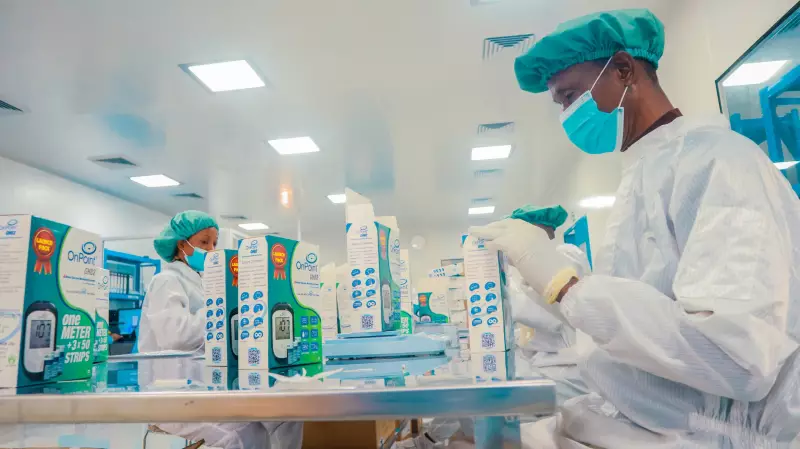
In recent years, Nigeria has witnessed innovative waves addressing healthcare accessibility through local manufacturing. One standout example is Colexa Biosensor Ltd, a Codix Group subsidiary that established Sub-Saharan Africa's first Blood Glucose Meters and Strips manufacturing facility.
By producing glucose meters and test strips locally under the OnPoint brand, Colexa Biosensor helps make diabetes monitoring more accessible and affordable. Local production eliminates import delays, reduces costs, and ensures Nigerians can obtain reliable devices when most needed.
What makes this particularly significant is the facility's operation under ISO 13485:2016 certification, the global benchmark for medical device quality management. This achievement demonstrates that Nigerian-made diagnostic products can match international standards of imported alternatives.
Beyond manufacturing, Colexa Biosensor engages deeply in community outreach, organizing free diabetes screenings, awareness campaigns, and healthcare provider partnerships to promote early detection. These initiatives not only raise awareness but also transform perceptions—showing Nigerians that high-quality medical devices can indeed carry the "Made in Nigeria" label.
The Path Forward: Changing Mindsets and Building Trust
Overcoming Nigeria's diabetes challenge demands more than technology—it requires mindset transformation. The persistent belief that imported means better remains one of the largest obstacles for local manufacturers.
Building trust takes time, consistency, and quality proof. Companies like Colexa Biosensor lead by example, demonstrating that with proper standards, investment, and partnerships, Nigeria can become Africa's diagnostic innovation hub.
But this effort needs matching support from public awareness campaigns, professional endorsements from healthcare practitioners, and policy backing from government agencies.
It also calls for collective responsibility. Healthcare workers must continue emphasizing regular testing and self-monitoring. Communities should embrace preventive healthcare as lifestyle, not luxury. And individuals, even when symptom-free, must understand that early detection saves lives.
As the world marks World Diabetes Month, the stories of Mrs. Epemolu, Mr. Sikiru, and Mrs. Dickson remind us of work still ahead. Bridging the awareness-action gap requires collaboration between government, private sector innovators, and civil society.
Nigeria possesses potential to lead Africa in diagnostic self-sufficiency—not only by manufacturing test kits locally but by transforming how people perceive healthcare. Initiatives like Colexa Biosensor's OnPoint brand pave the way, providing evidence that when innovation meets purpose, access becomes reality.
Ultimately, the fight against diabetes transcends technology or policy—it's about people. Every life saved, every early diagnosis made, and every person empowered to control their health brings us closer to a future where diabetes no longer silently claims lives.