Nigeria is confronting a severe child welfare emergency as escalating insecurity, collapsing health services, and mass school closures push millions of children into deeper vulnerability, stakeholders have warned.
Learning Centers Become Danger Zones
Speaking at a United Nations Children's Fund (UNICEF)-Nigerian Guild of Editors (NGE)-DAME symposium in Lagos, NGE President Mr Eze Anaba declared that the country faces grave risks to its youngest generation. The forum, themed 'Equipping the Nigerian child for the future: How prepared are we?' highlighted how recent mass kidnappings, killings, and school raids have transformed learning centers into danger zones.
Mr Anaba strongly criticized the growing pattern of indiscriminate school closures by state authorities following isolated attacks, describing this approach as unsustainable and counterproductive. He emphasized that such reactions only worsen educational exclusion without addressing root security challenges.
Millions Face Multiple Vulnerabilities
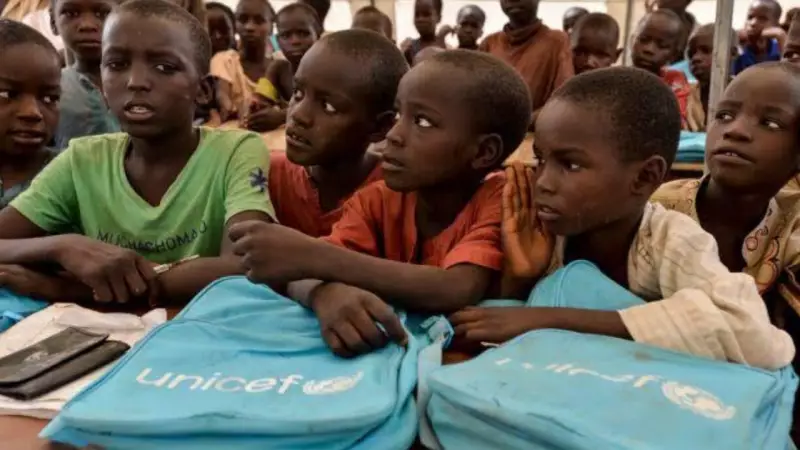
UNICEF Nigeria representative Ms Wafa Saeed revealed the staggering scale of deprivation affecting Nigerian children. She warned that millions face compounded vulnerabilities ranging from acute malnutrition to limited access to healthcare and quality education.
The learning crisis has reached alarming proportions, with three out of four 10-year-olds in Nigeria unable to read and understand a simple passage. Persistent insecurity and frequent school disruptions continue to exacerbate this educational emergency.
"Nigeria has made progress over the last two decades, but at the current pace, it will take far too long to reach acceptable results. Too many children are still being left behind," Saeed stated. "We must accelerate efforts, particularly on routine immunisation, nutrition, quality education, and protection."
Extreme Regional Disparities Exposed
UNICEF Deputy Country Representative Ms Ronak Nkan presented fresh data revealing shocking regional inequalities in basic services. The statistics show extreme contrasts, with almost 90 percent of households in Lagos having access to safe water compared to only three percent in Kebbi State.
Ms Nkan explained that UNICEF allocates resources strictly based on evidence, targeting investments where data indicates children experience the highest levels of deprivation.
A representative from the Federal Ministry of Women Affairs, Mrs Mariam Fitumi Shaibu, outlined government interventions including the Adolescent Girls Initiative for Learning and Empowerment (AGILE) and the National Commission for Out-of-School Children. She also highlighted new policies designed to reduce school absenteeism among girls.
Senior editor and NGE member Mr Ehi Braimah raised alarms about the scale of school closures across northern Nigeria, warning that insecurity is crippling children's access to education. He urged governments to prioritize safe-school investments and expedite implementation of the Child Rights Act.
Stakeholders unanimously agreed that safeguarding Nigeria's children requires a unified push across federal, state, and local governments, civil society, development partners, and the media. The symposium, held on November 26, 2025, concluded with urgent calls for accelerated action to address the deepening crisis.